
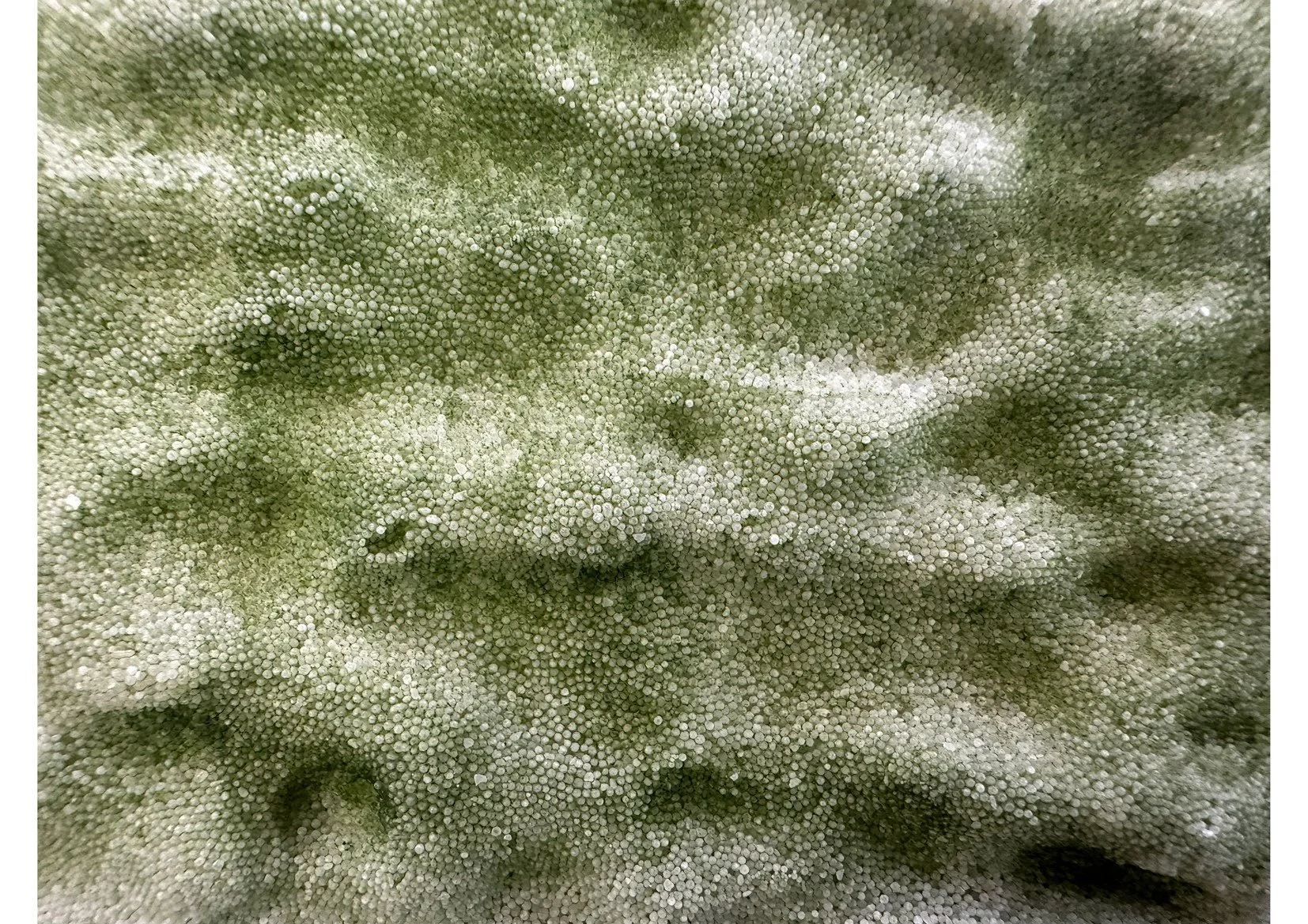
Vitalis Glass
Designing a Bio-Receptive Porous Glass Facade
2025 Bio-ID Year 2 | ACADIA 2025 Runner Up for Best Project
Teammates: Xiaomeng Fang and Roba Alfraih
Bio-ID Instructors: Marcos Cruz, Brenda Parker, Andreas Korner, Javier Ruiz Rodriguez, Anete Salmane, Tony Le
Glass Instructor Anna Chrysopoulo, Technician Camila Bridgewater
Can glass become a porous interface for urban rewilding?
Situated in London’s Soho, this project proposes a second life for glass waste, reshaping it into a porous, bio-receptive glass façade. Vitalis Glass explores themes of porosity, privacy, and embedded growth through material innovation and form. The bio-receptive algae glass tiles respond to seasonal light and rain, creating dynamic opacity while mitigating issues like air pollution and flash flooding that challenge highly developed urban spaces like Soho. By recycling glass waste into a novel type of architectural envelope, the project extends the lifecycle of one of architecture’s most ubiquitous materials.
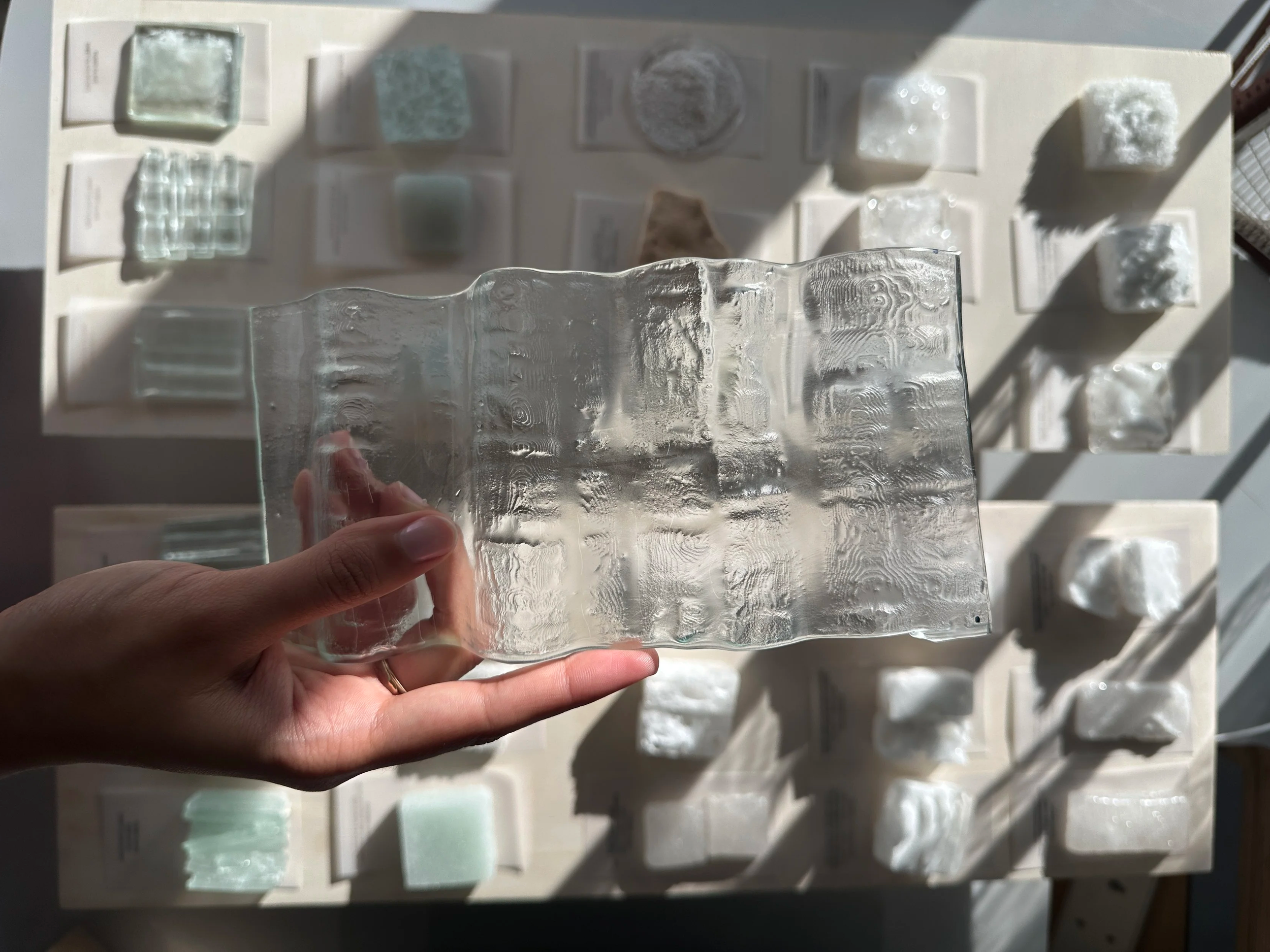
slumped sheet iteration with multiple porous glass experiments in the background
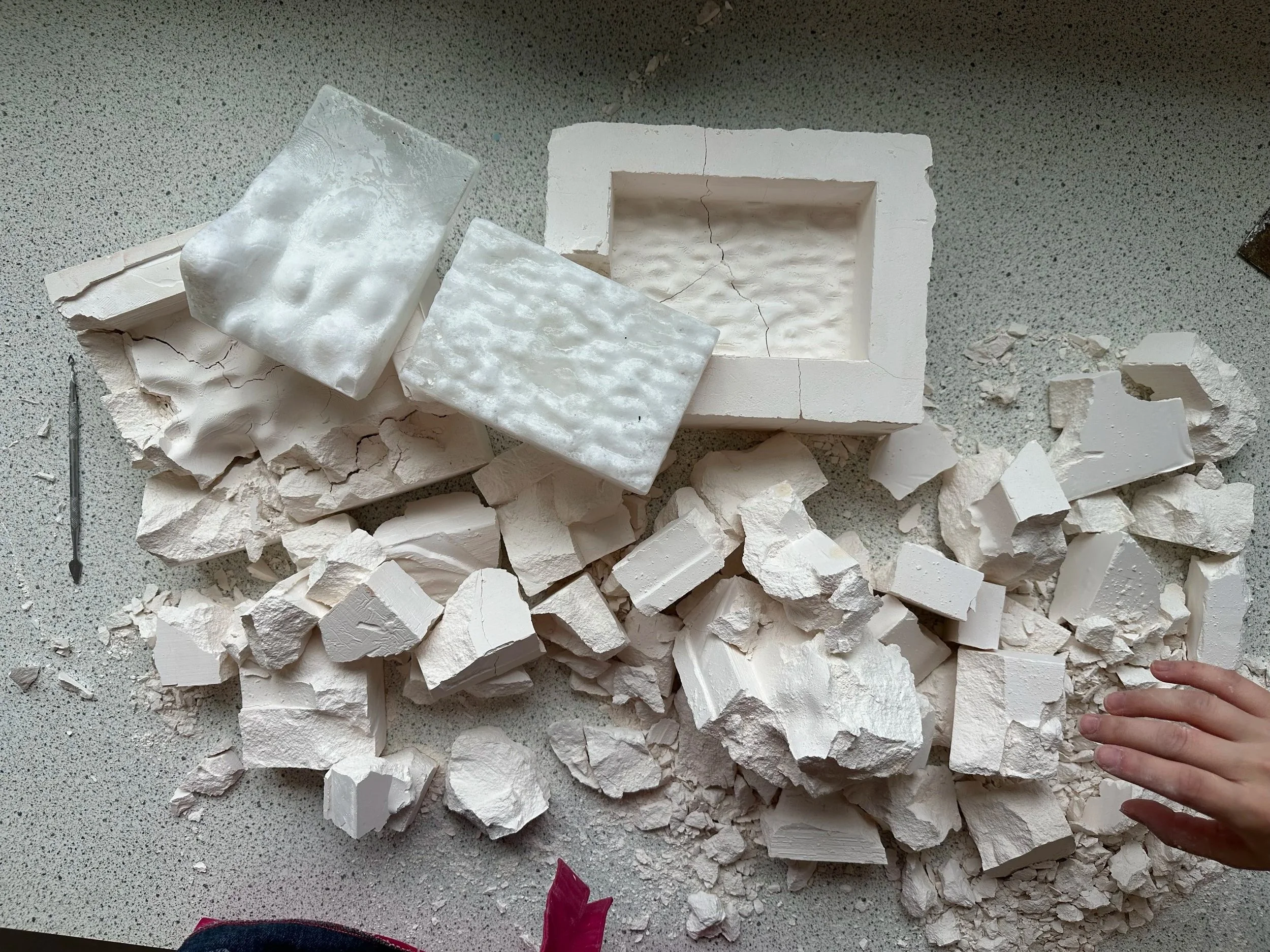
glass casts made using PLA negatives
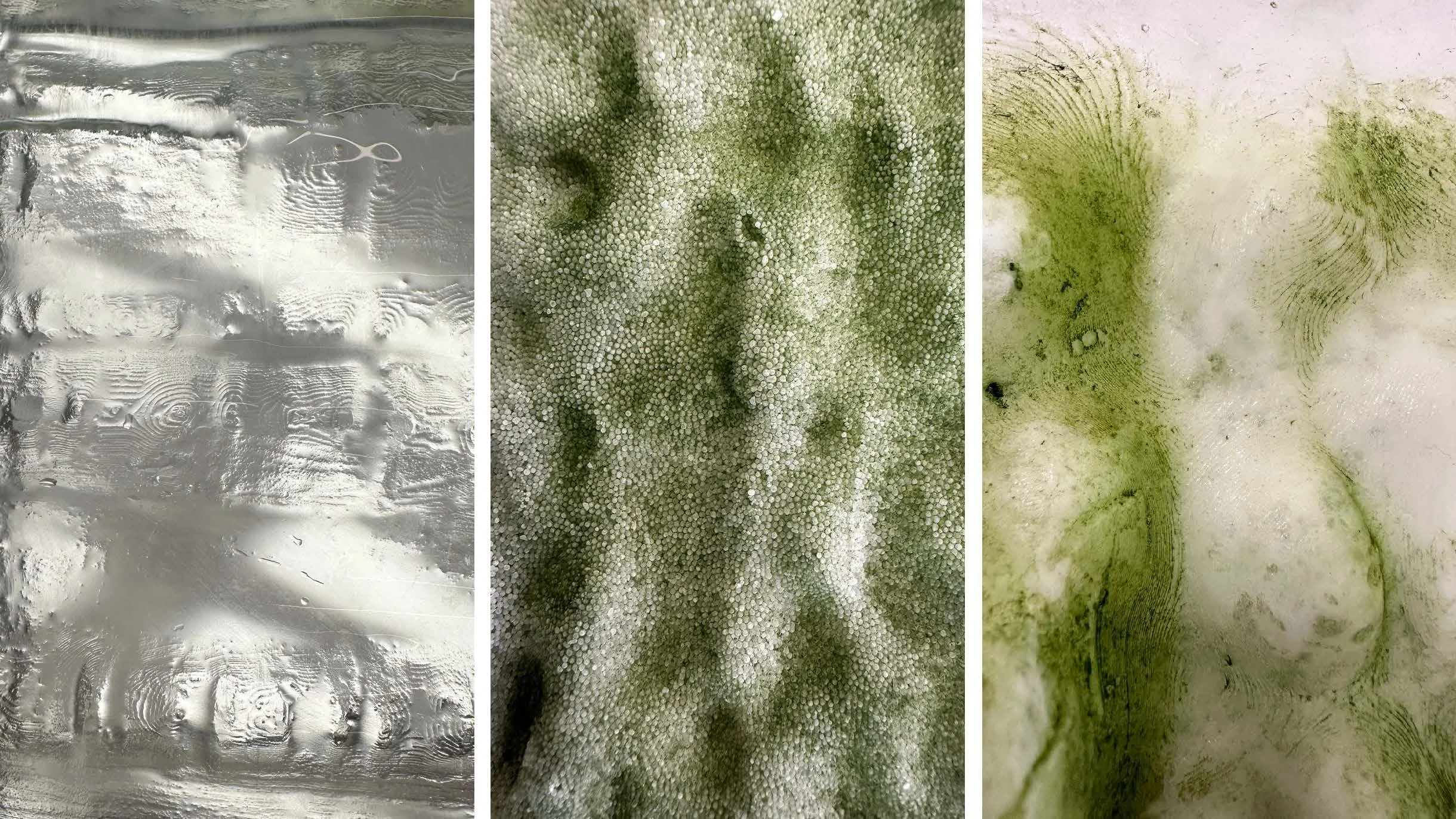
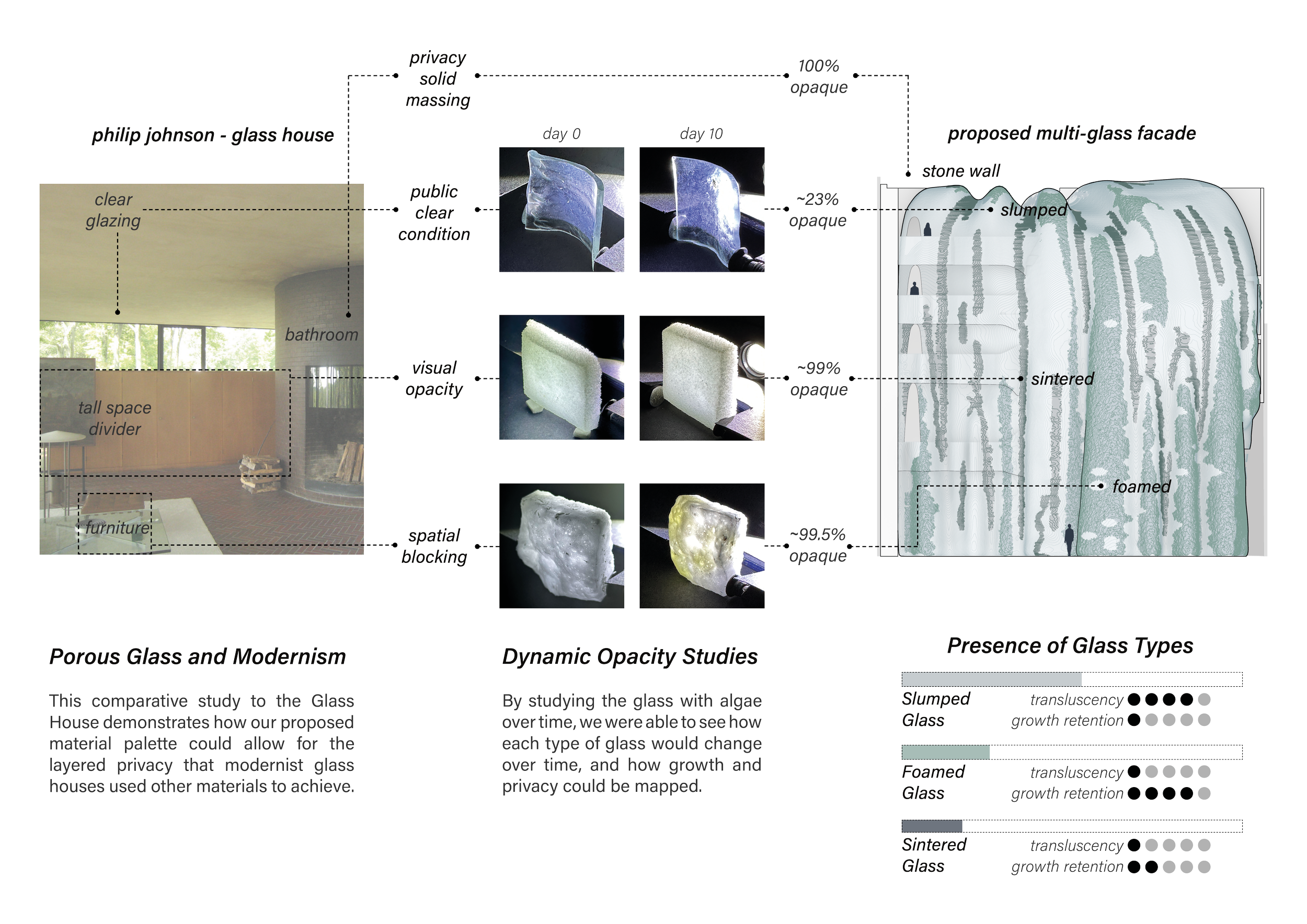
glass material palette from left to right; slumped recycled float glass sheet, sintered recycled beaded glass, foamed glass powder using foaming agents
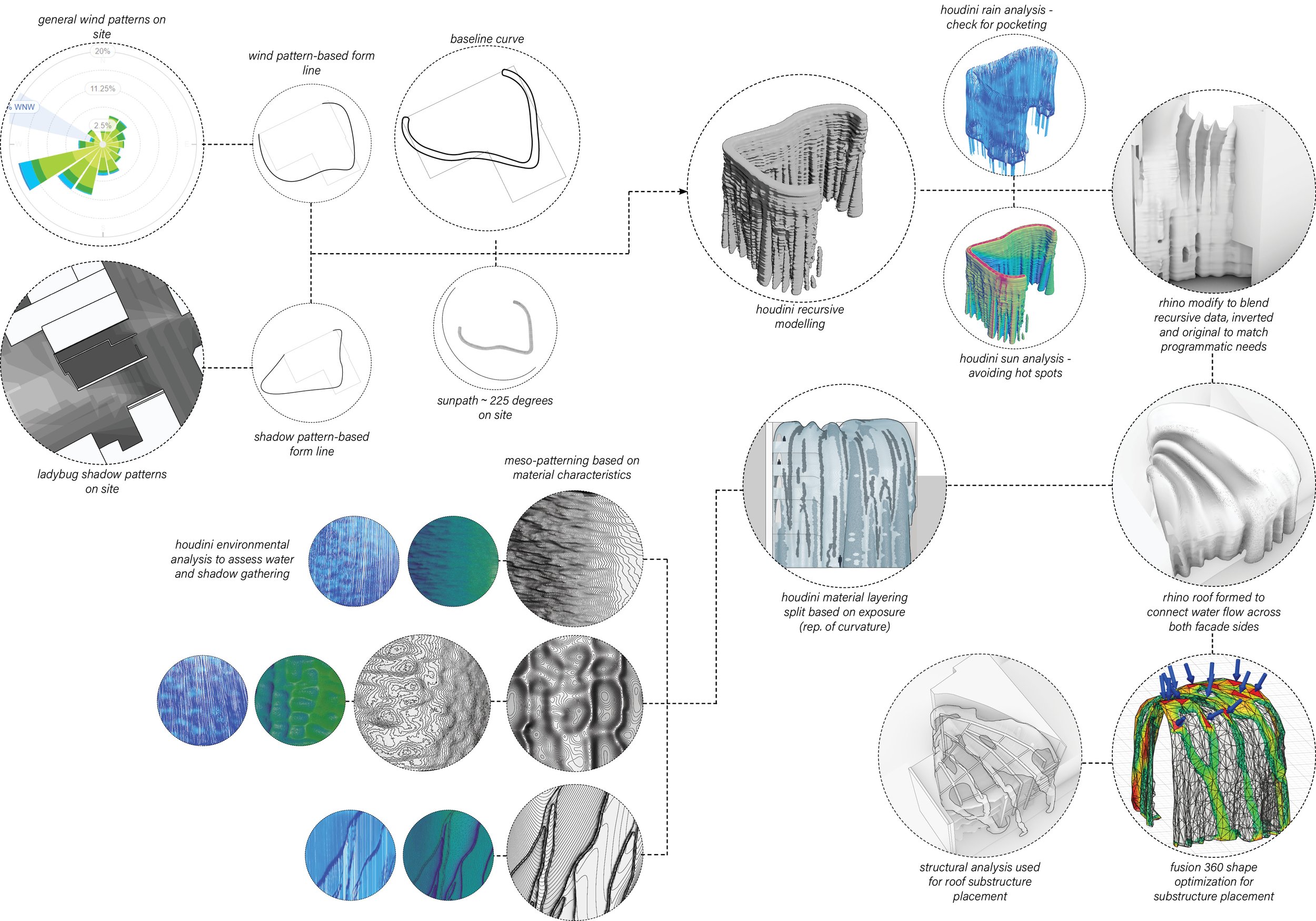
design logic from site information to form to glass patterning based on microenvironments
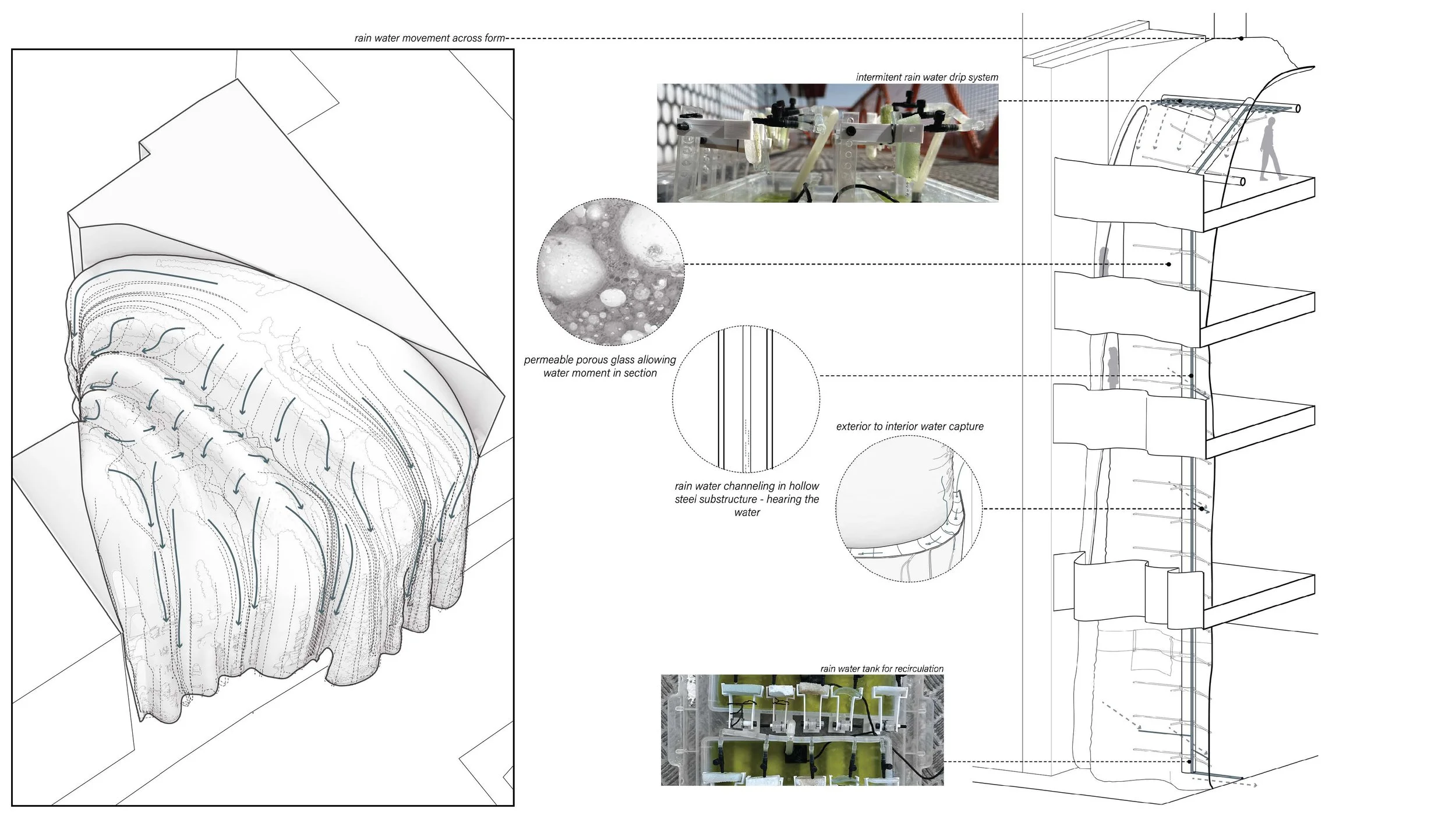
multi-scalar water movement system
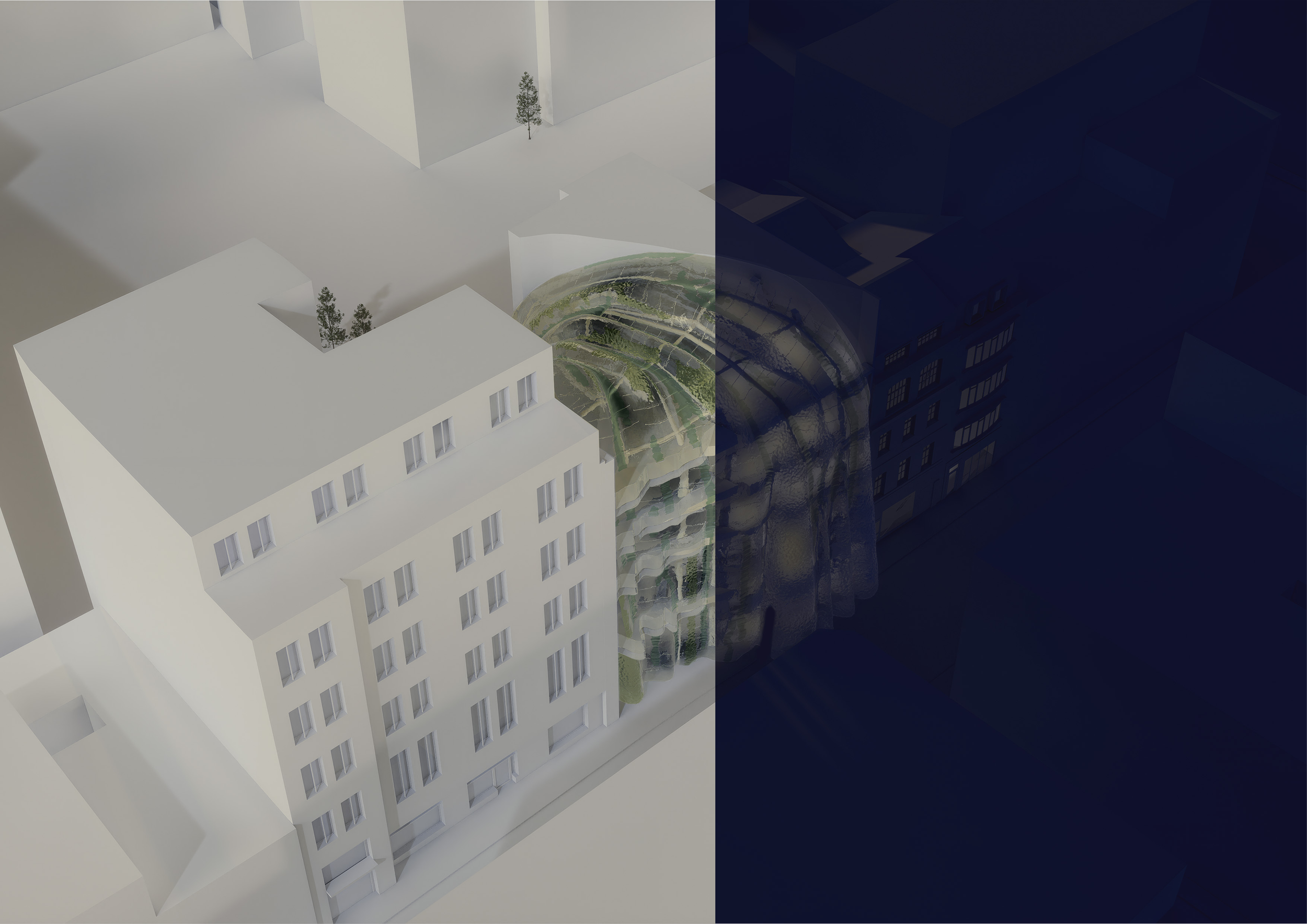
diurnal changes: mosaic of white, clear, and greens during the day and a lantern-like glow at night