layered Ephemerality
2024 Bio-ID Year 1
Teammates: Muze (Chris) Ouyang, Humberto David Gil Garzon
Studio Instructors: Pradeep Devadass, Javier Ruiz Rodriguez, Ian Robinson, and Elle Hetherington
Can temporal intervention help habitat restoration?
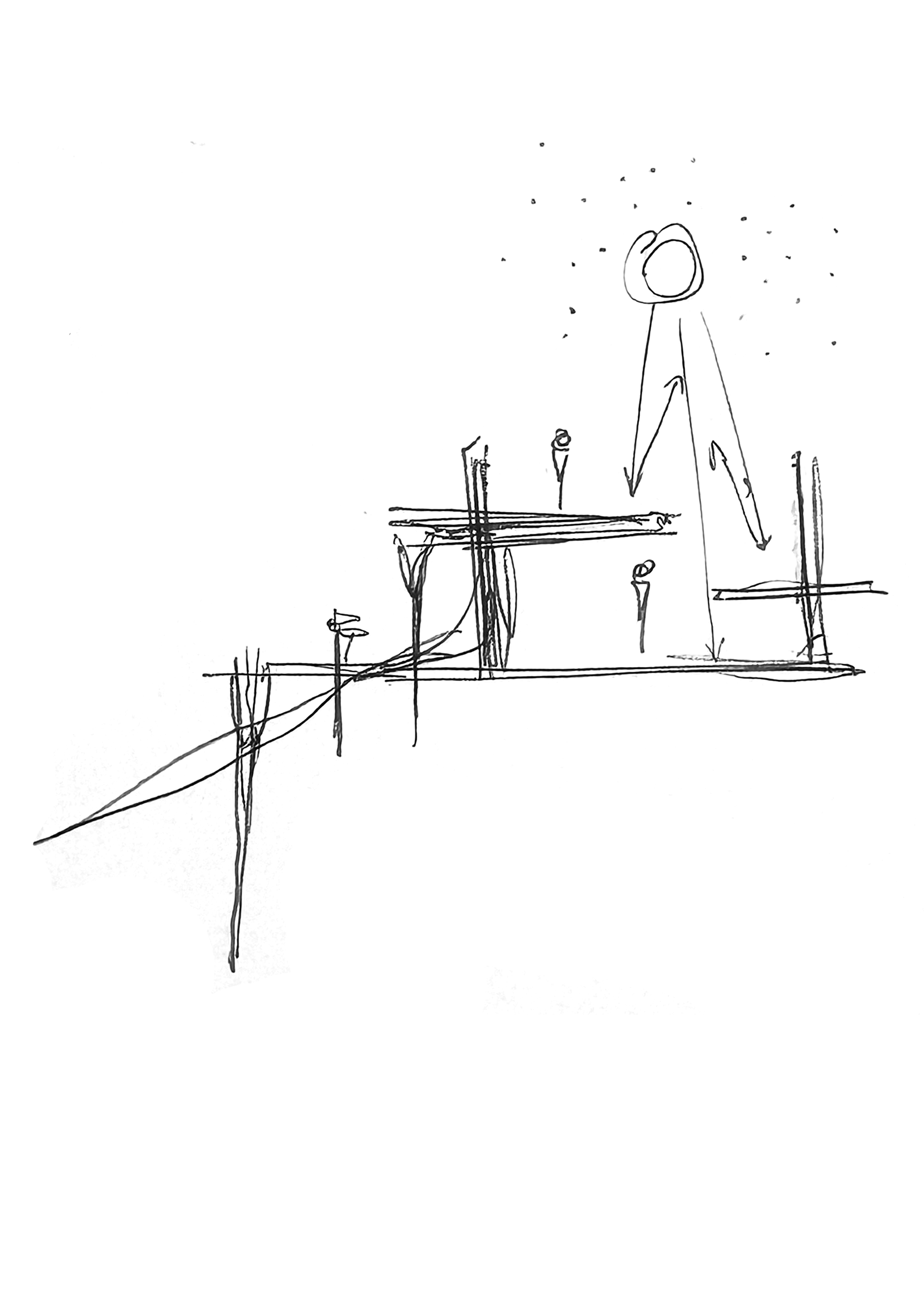
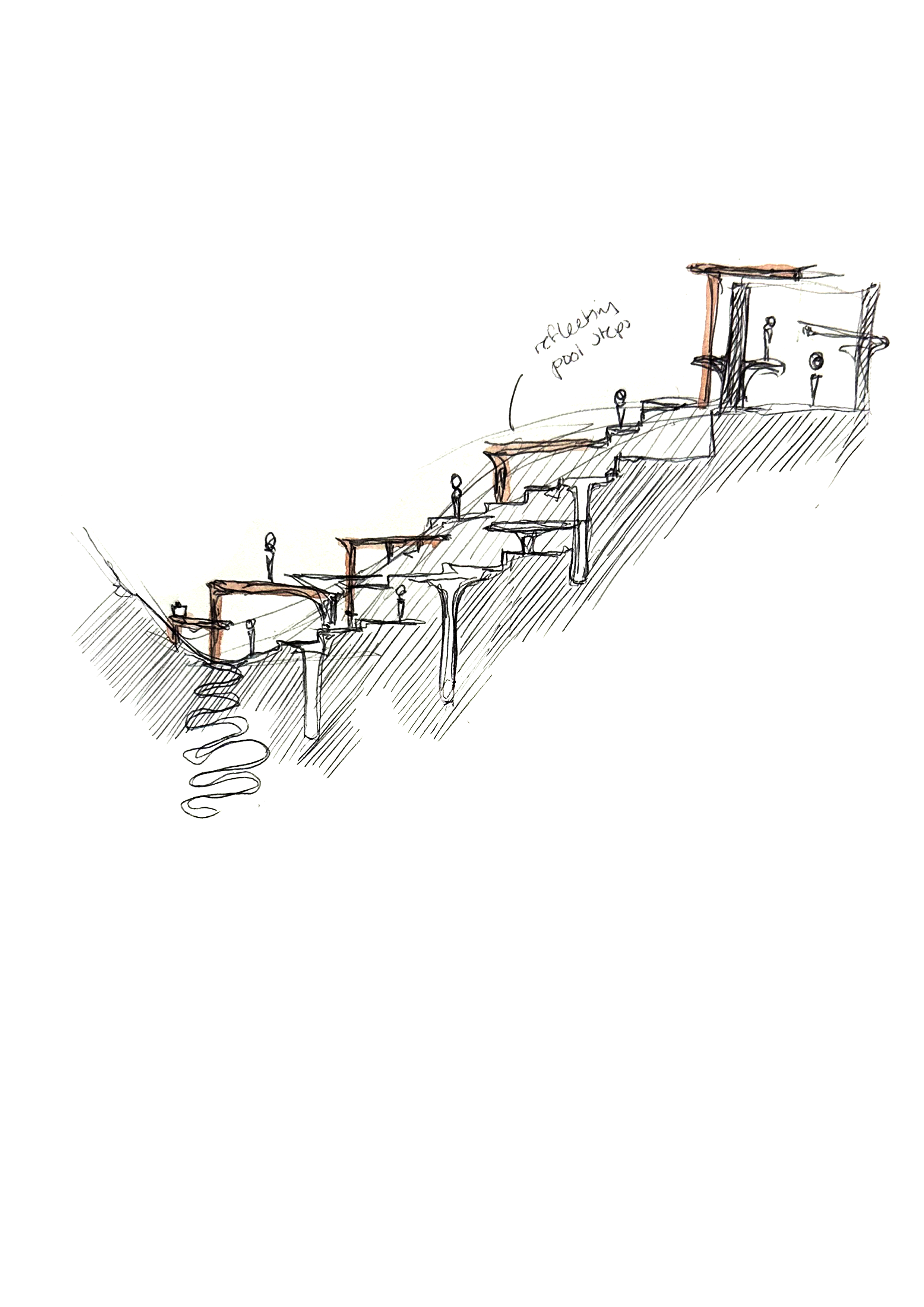
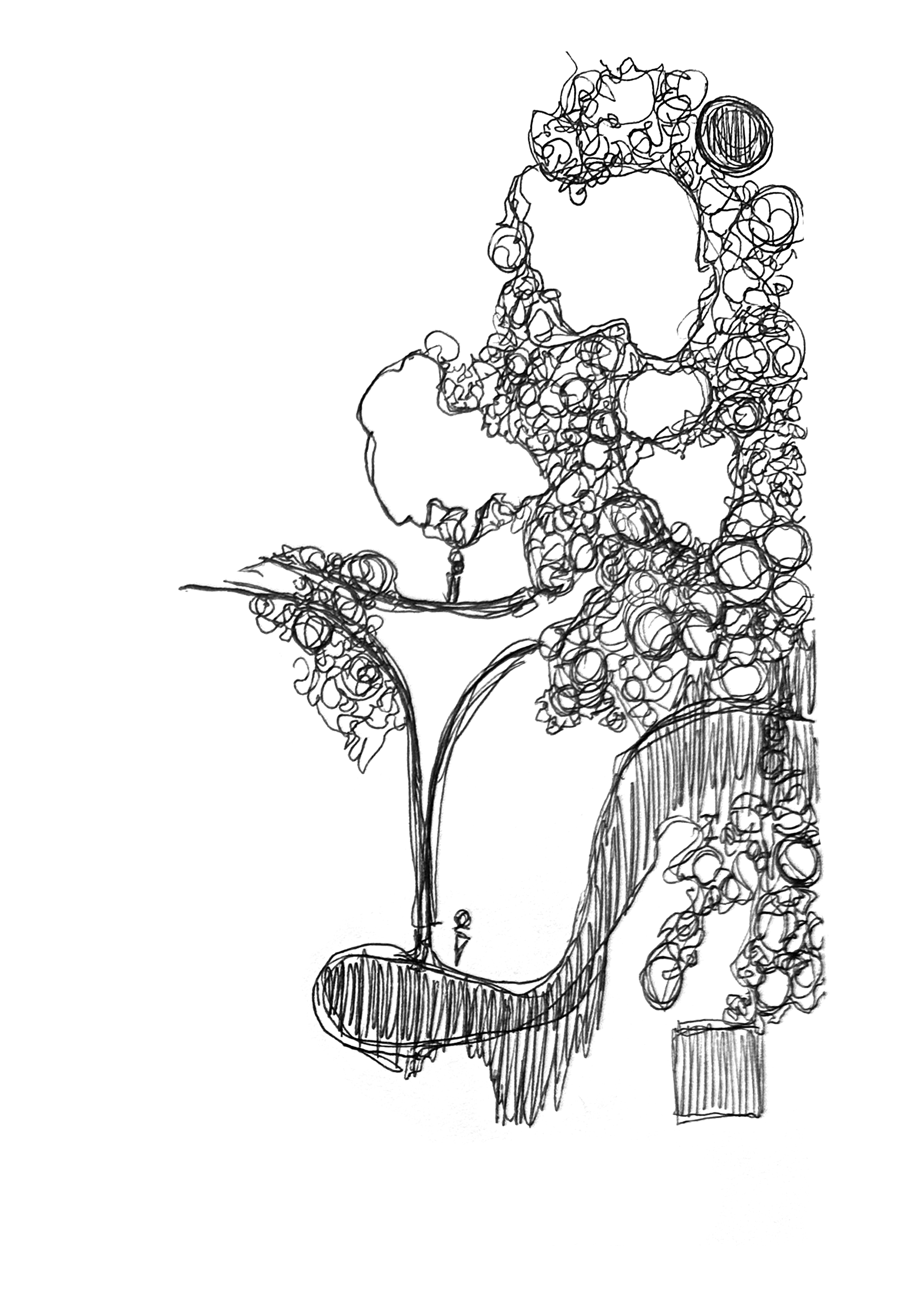
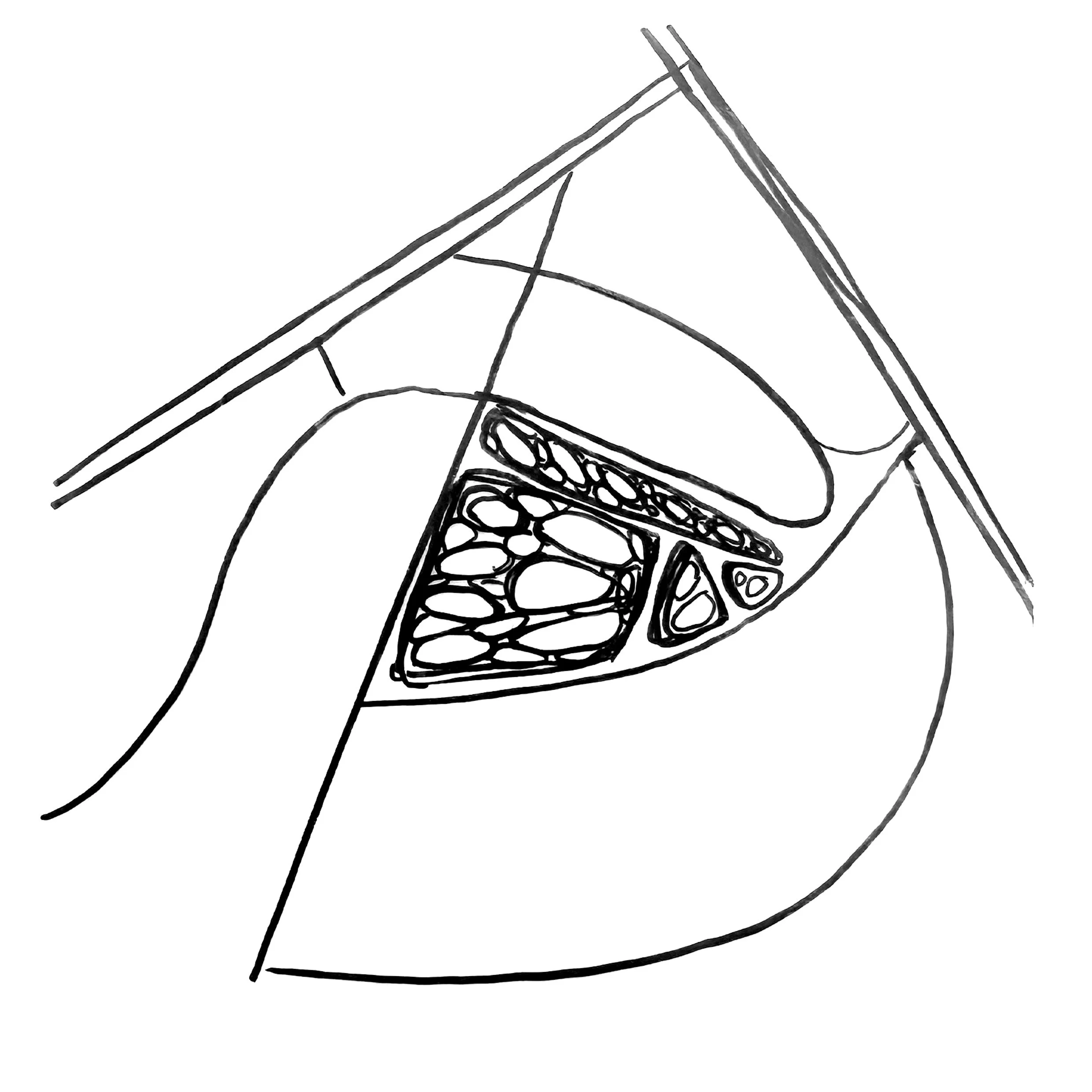
Amphibians are losing critical ephemeral pools that serve as their breeding grounds as climate change shifts rain cycles and urban development reconstructs overlooked habitats. Where permanent water bodies like ponds and streams may be preserved or added into a new environment, puddles are often left out of consideration and land is smoothed over when new parks or urban spaces are developed. These factors reduce the number of crucial ephemeral habitats available and separates the amphibians into disparate populations. This project explored temporal space through the material, form, and growth of ephemeral pool ecosystems over time. The temporality of the design came out of explorations of the form, material, and growth components. After studying the needs for the amphibians, ephemeral pools were designed out of climate and site analysis, foam material explorations, and mycelium growth studies. These studies work together to create a temporal form that could support and redevelop an ecosystem for amphibian reintroduction in the park.
Personal contribution focused on material development and testing, fabrication, and design concept development.
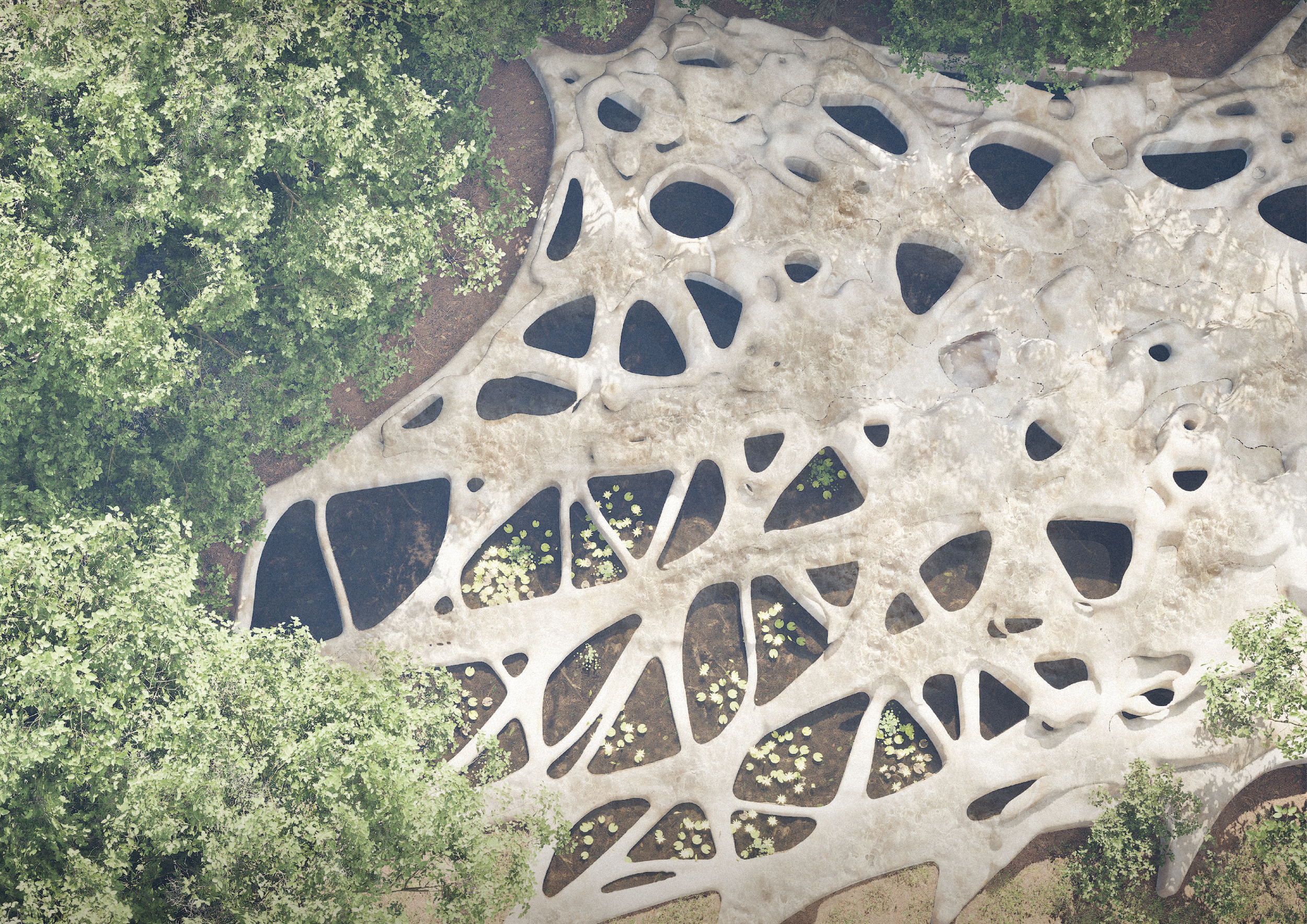
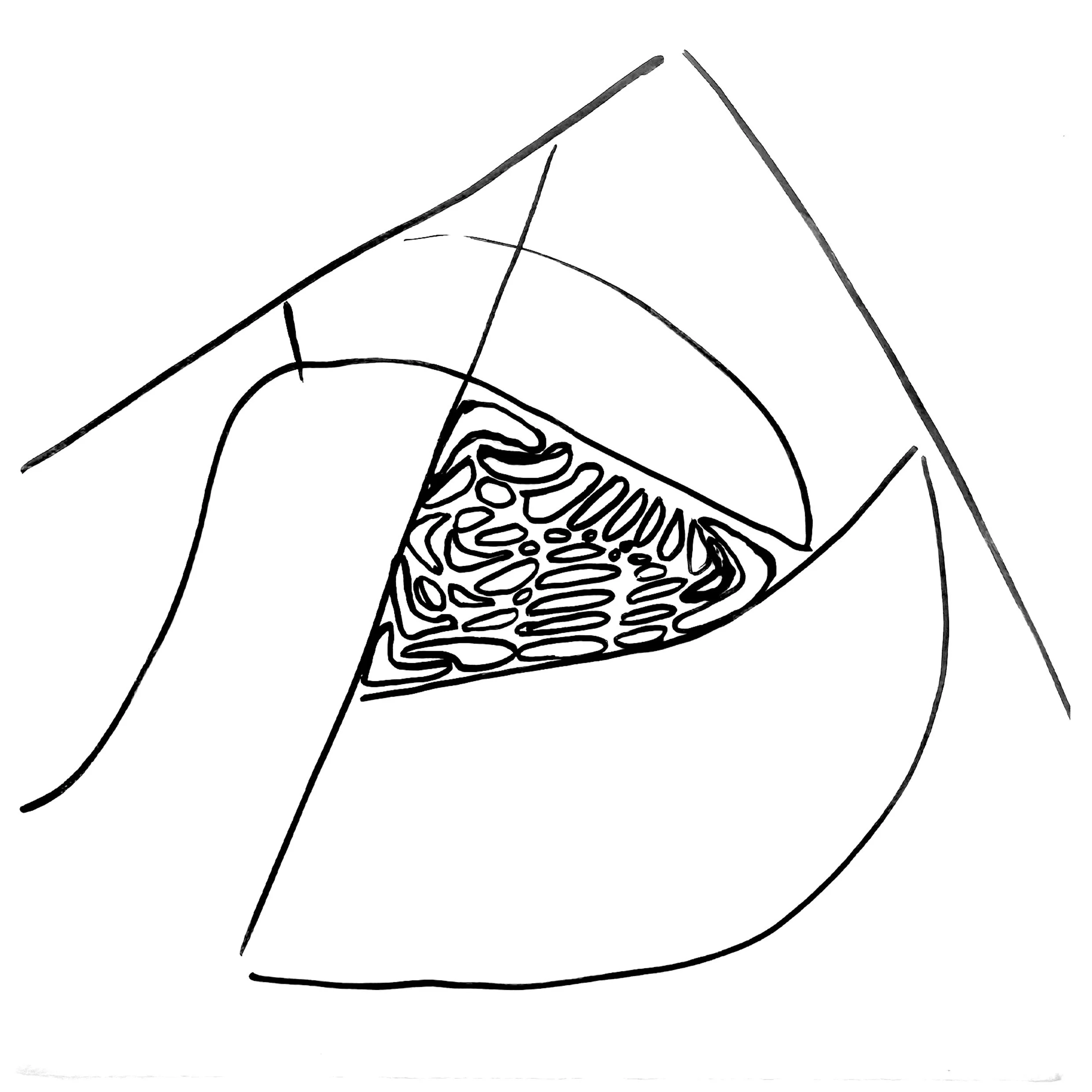
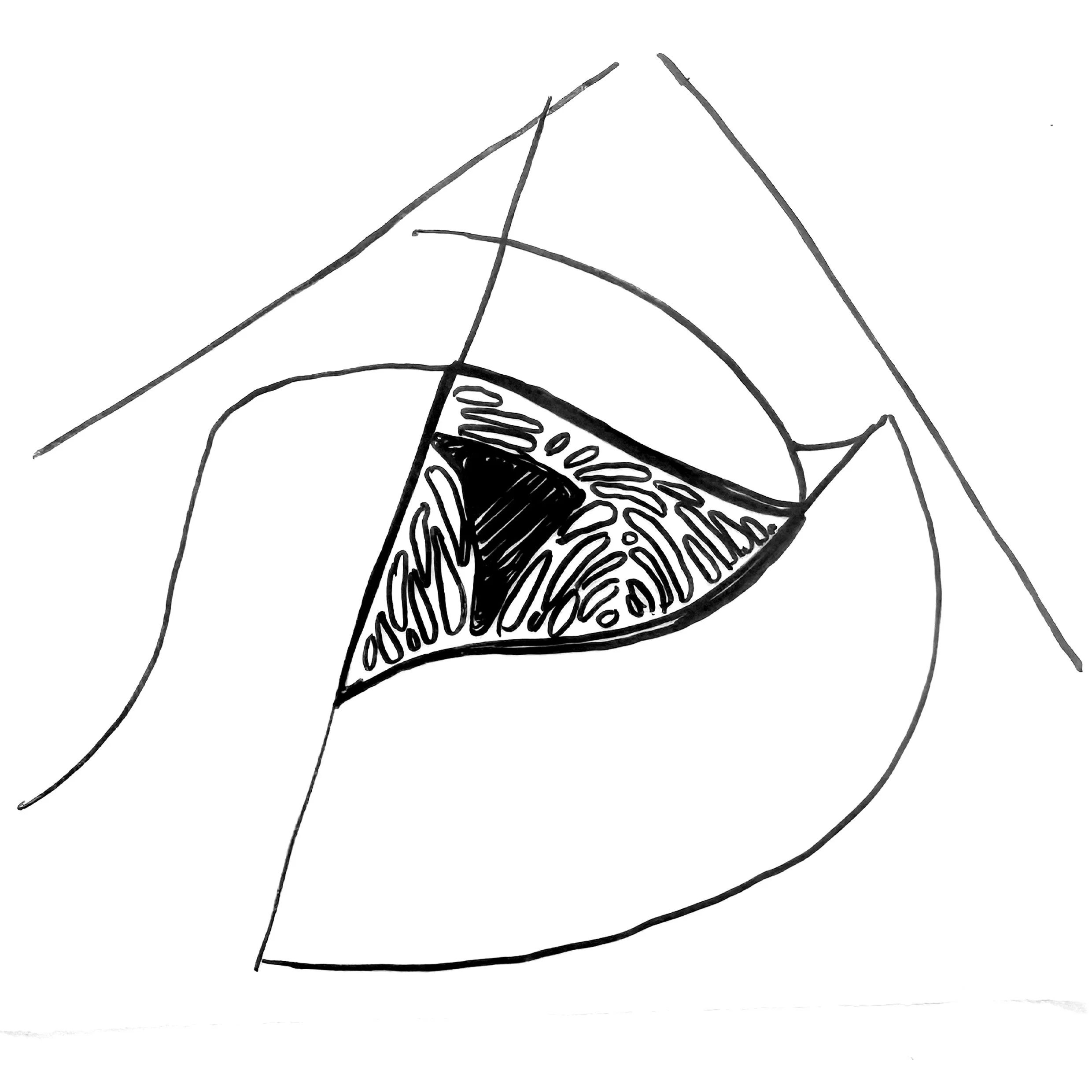
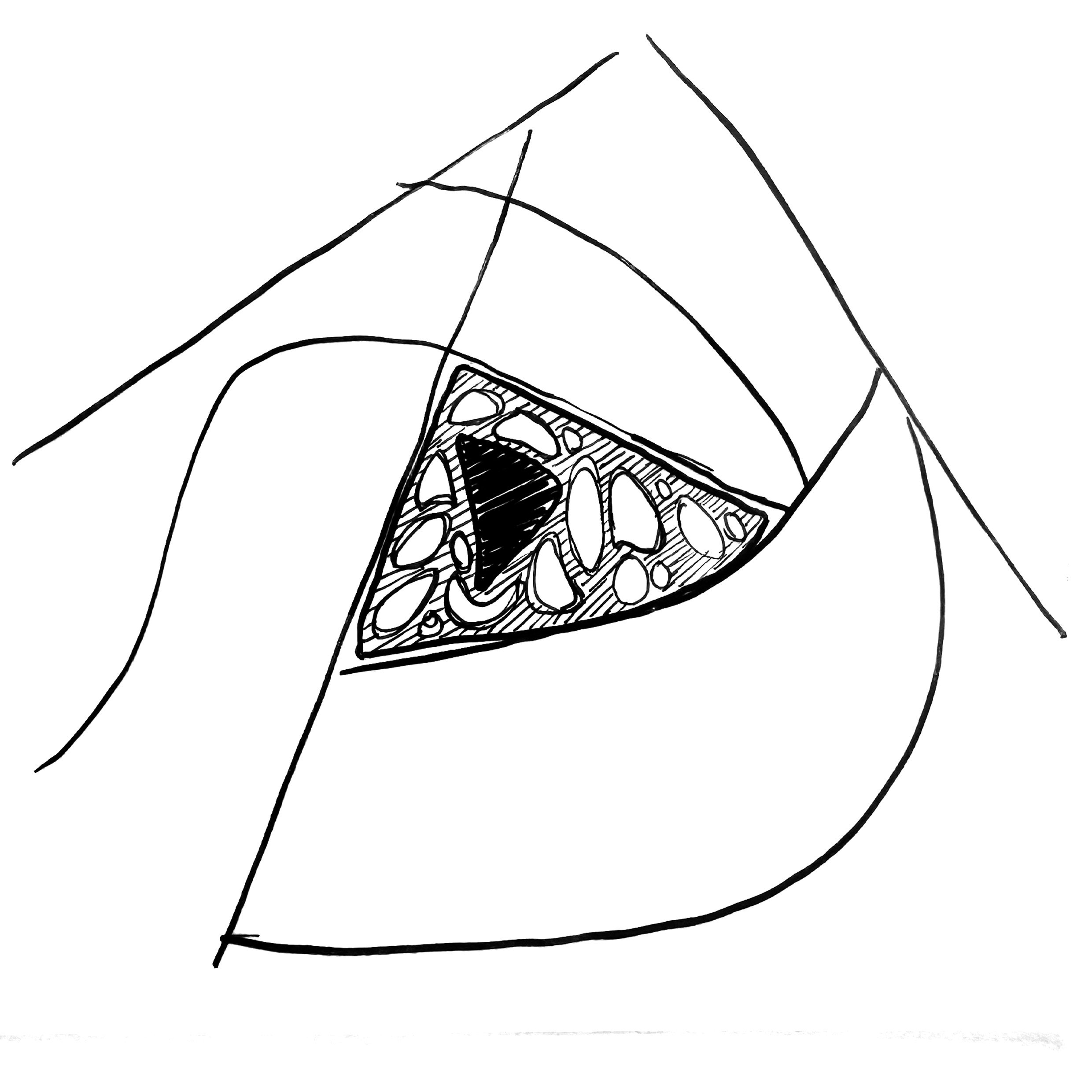
Overall render around week 1 (render by Muze)
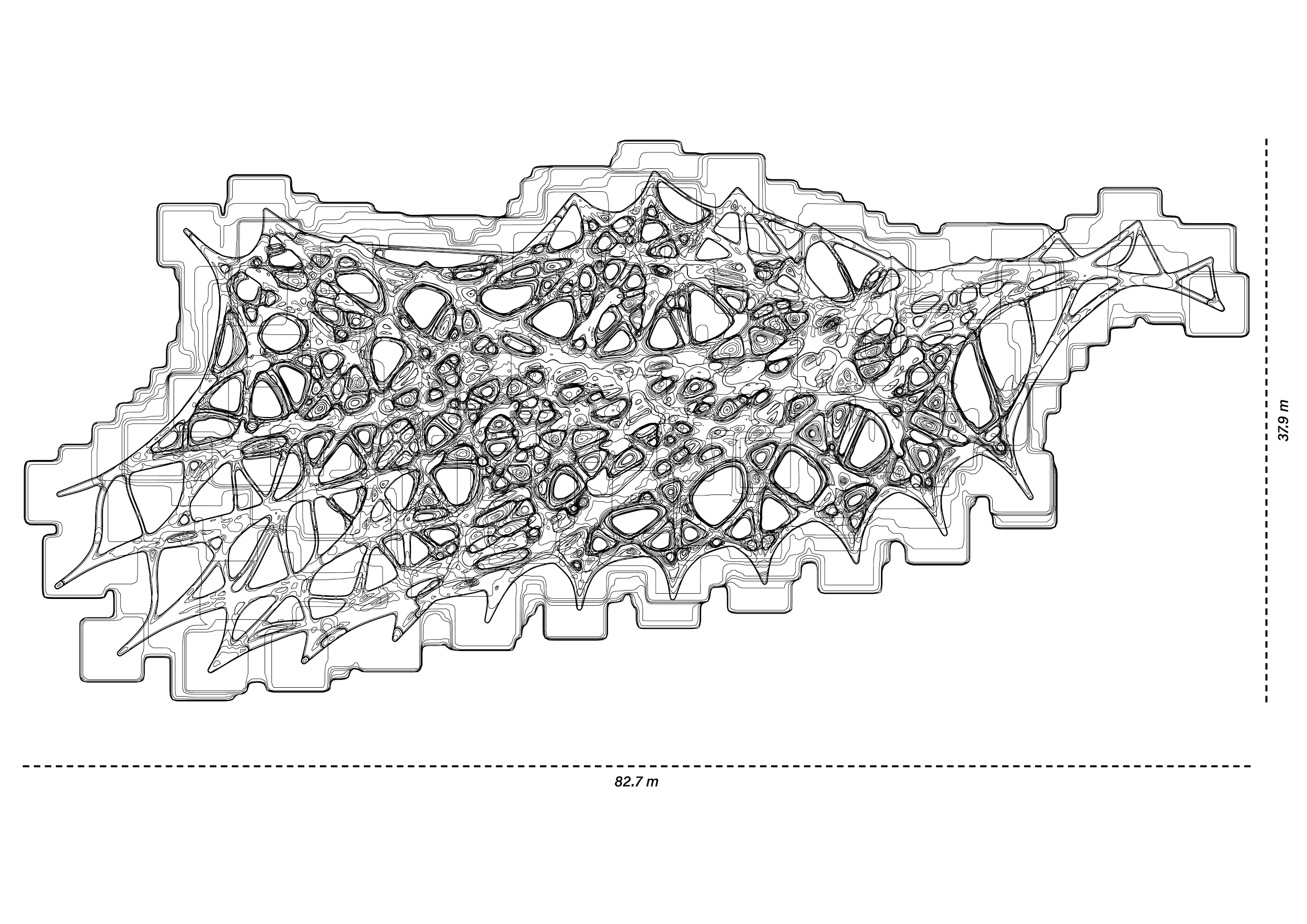
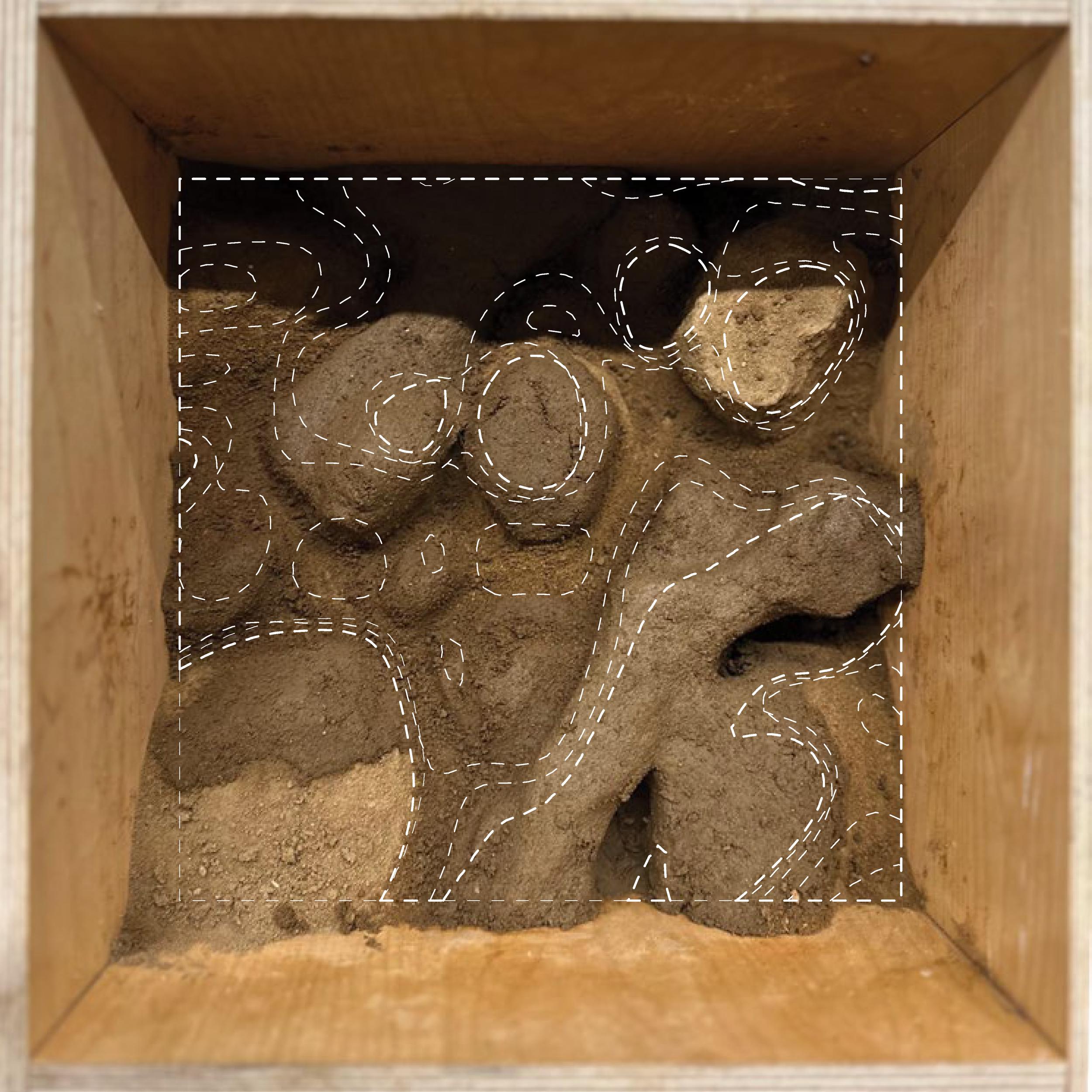
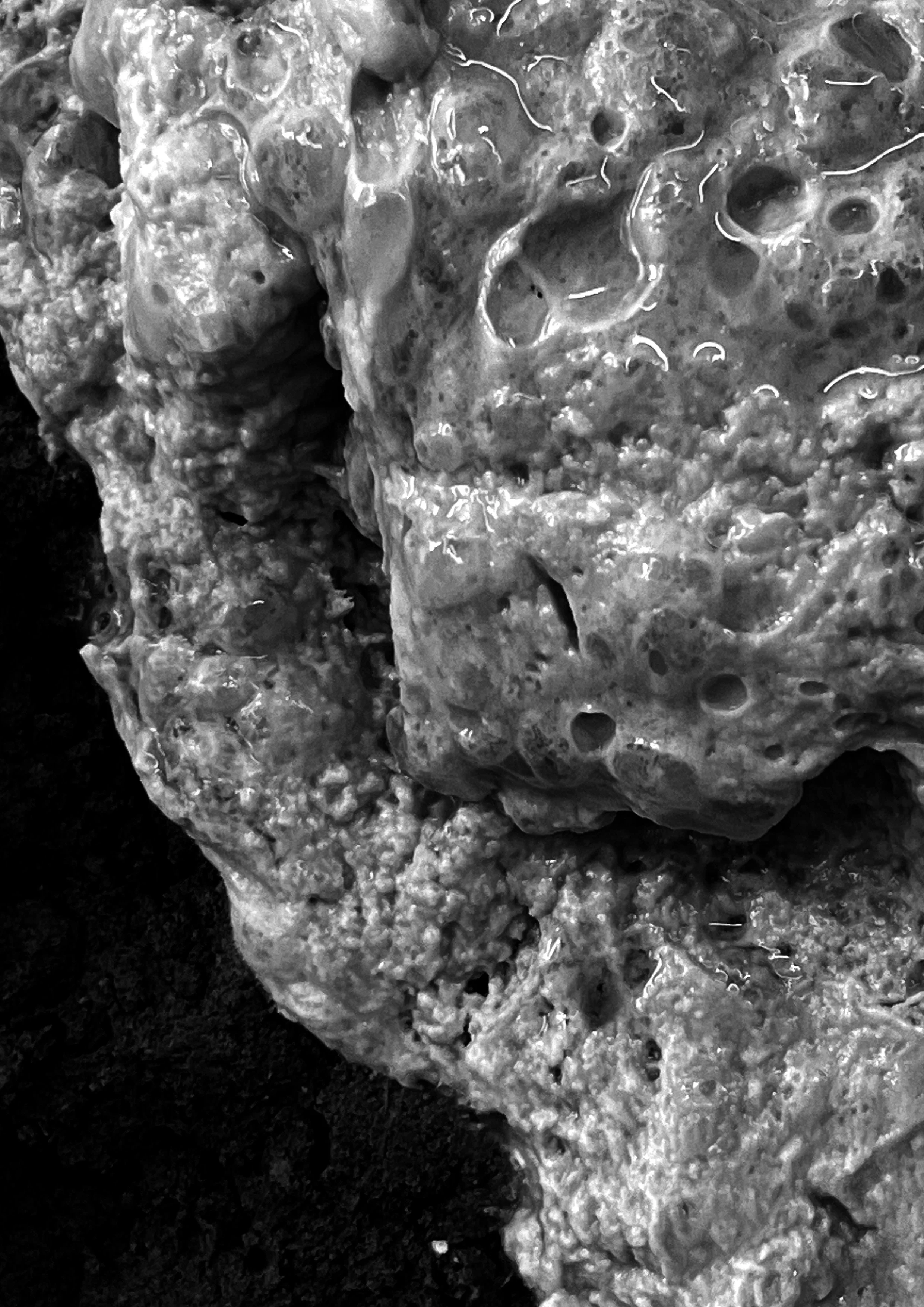
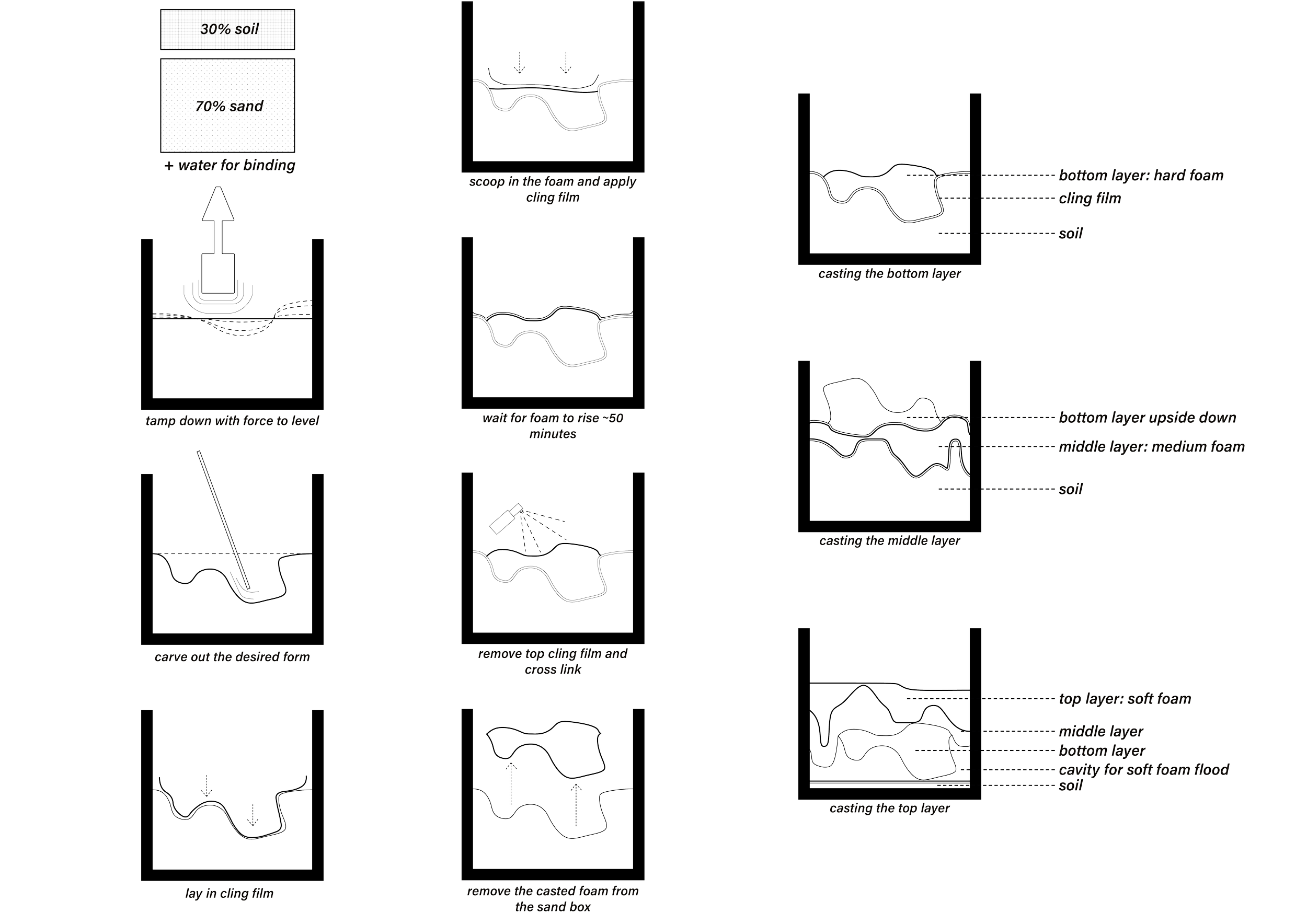
Foam Casting
A method typically used for metal work, sand casting allows for quick turn over from one mold form to the next. This method reuses the same material as many times as desired. Builder’s sand was mixed with top soil and enough water to hold the material together. After tamping the sand mix into the mold and dried out, the sand can be carved to close accuracy to the desired form to cast the foam into.
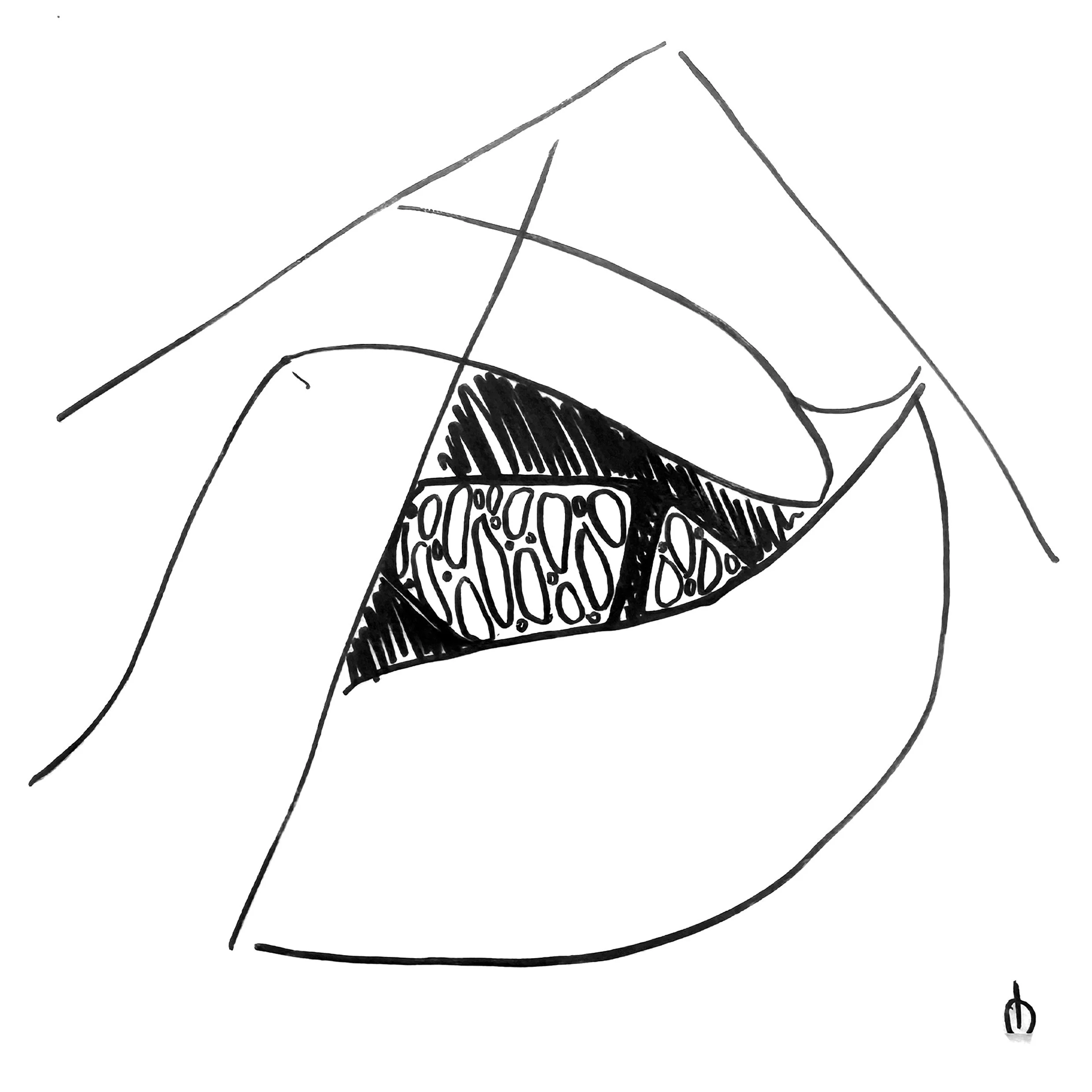
Each foam density was cast relative to the others to create a form with predictive erosion.
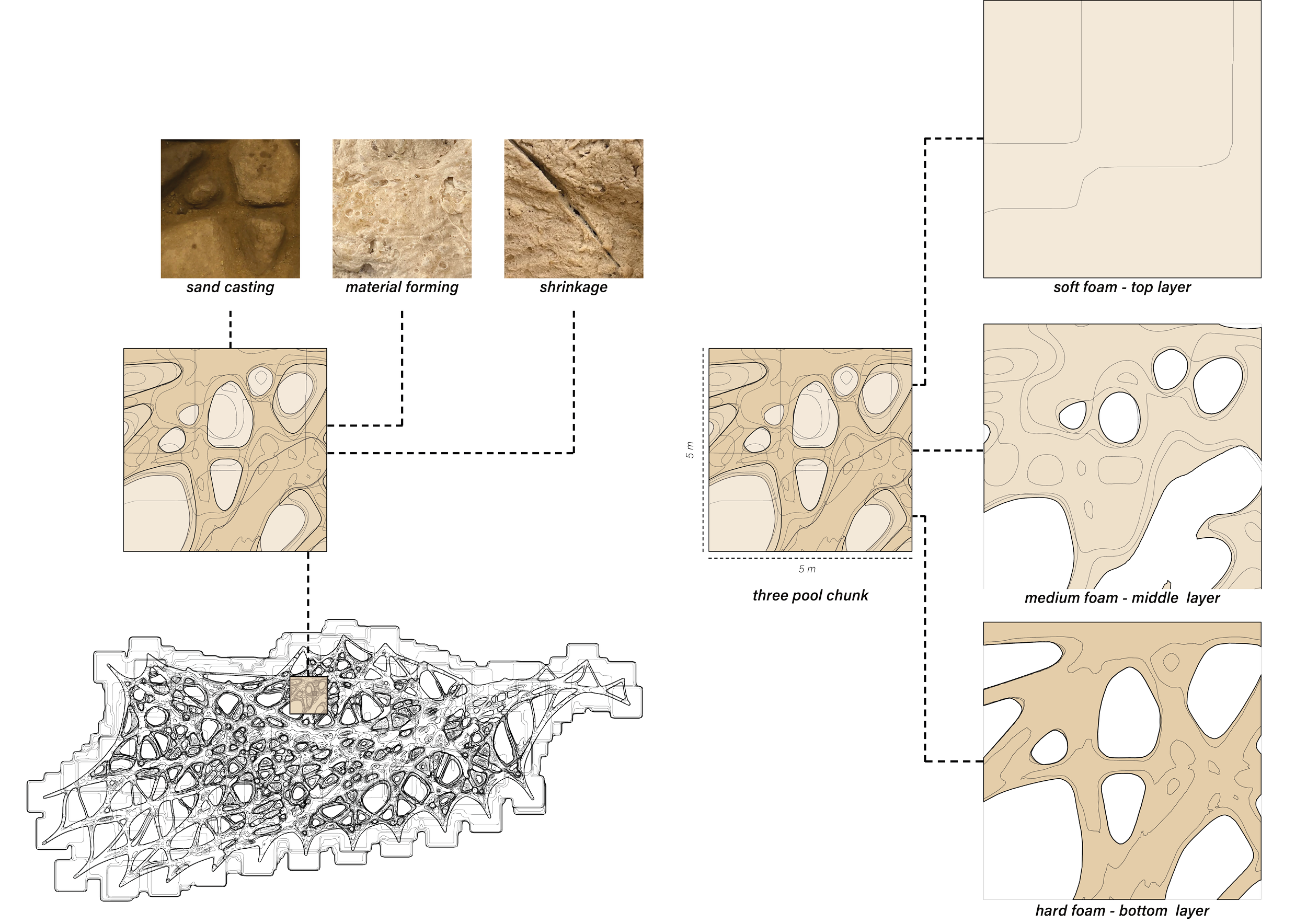
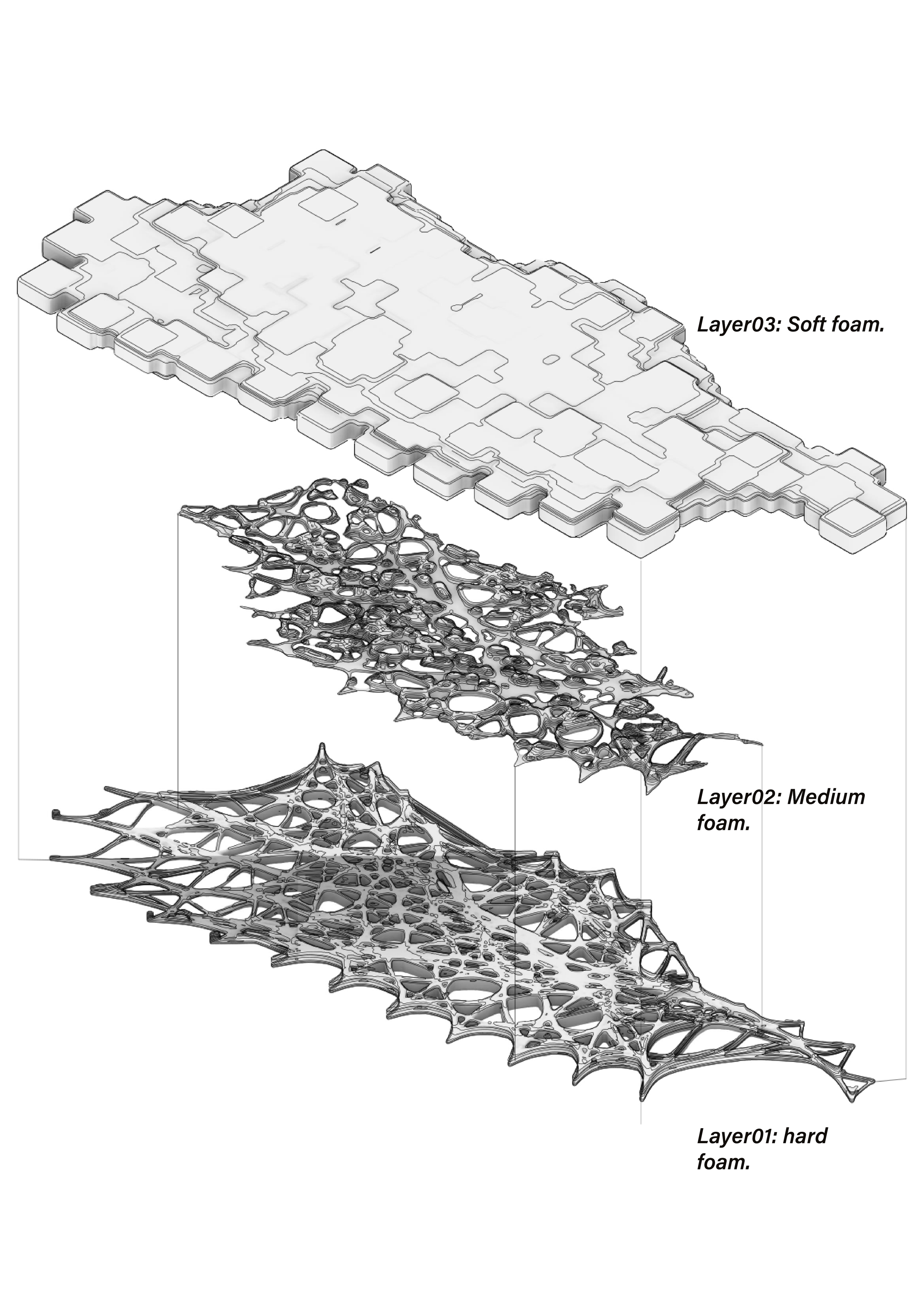
Ephemeral Layering
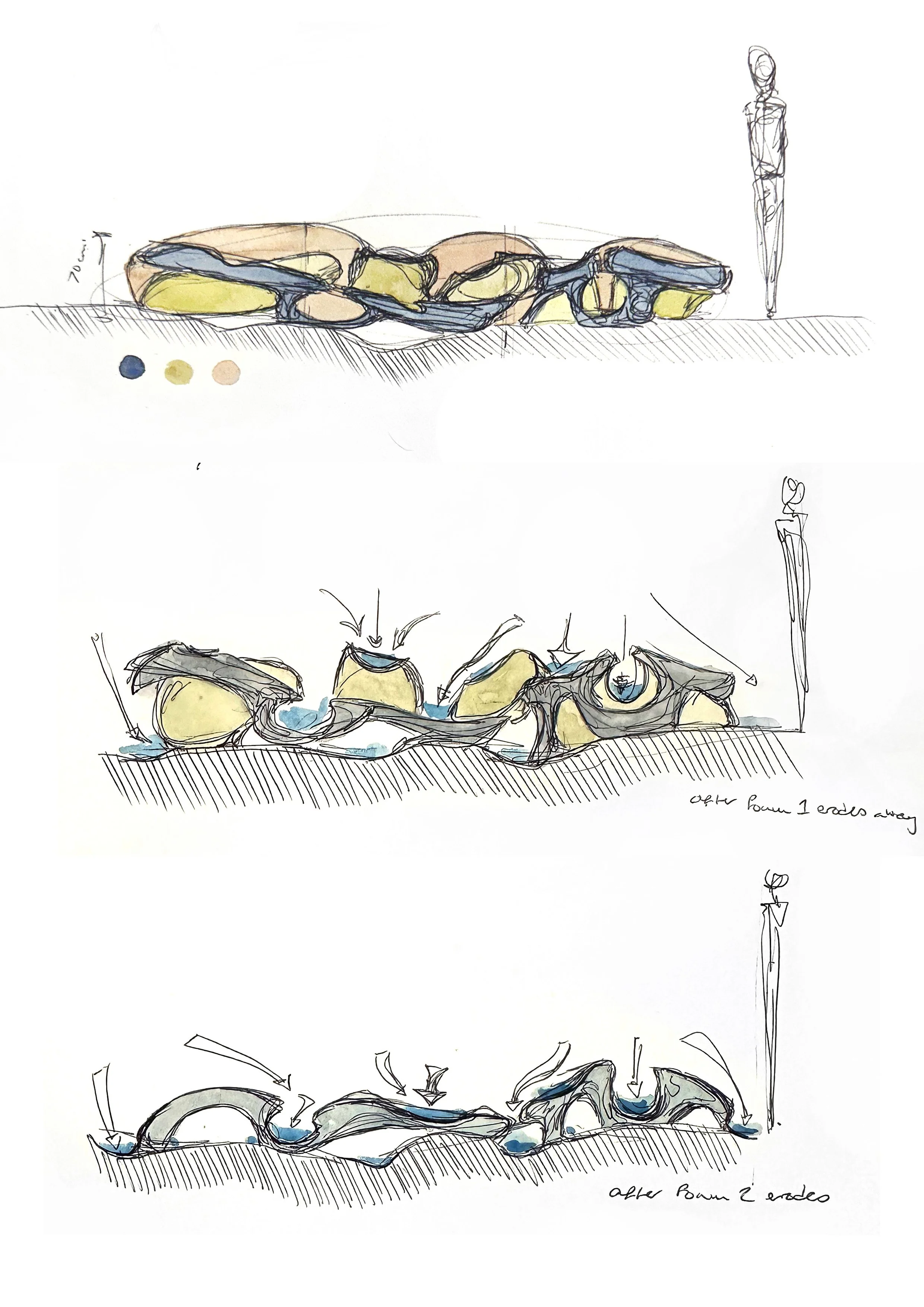
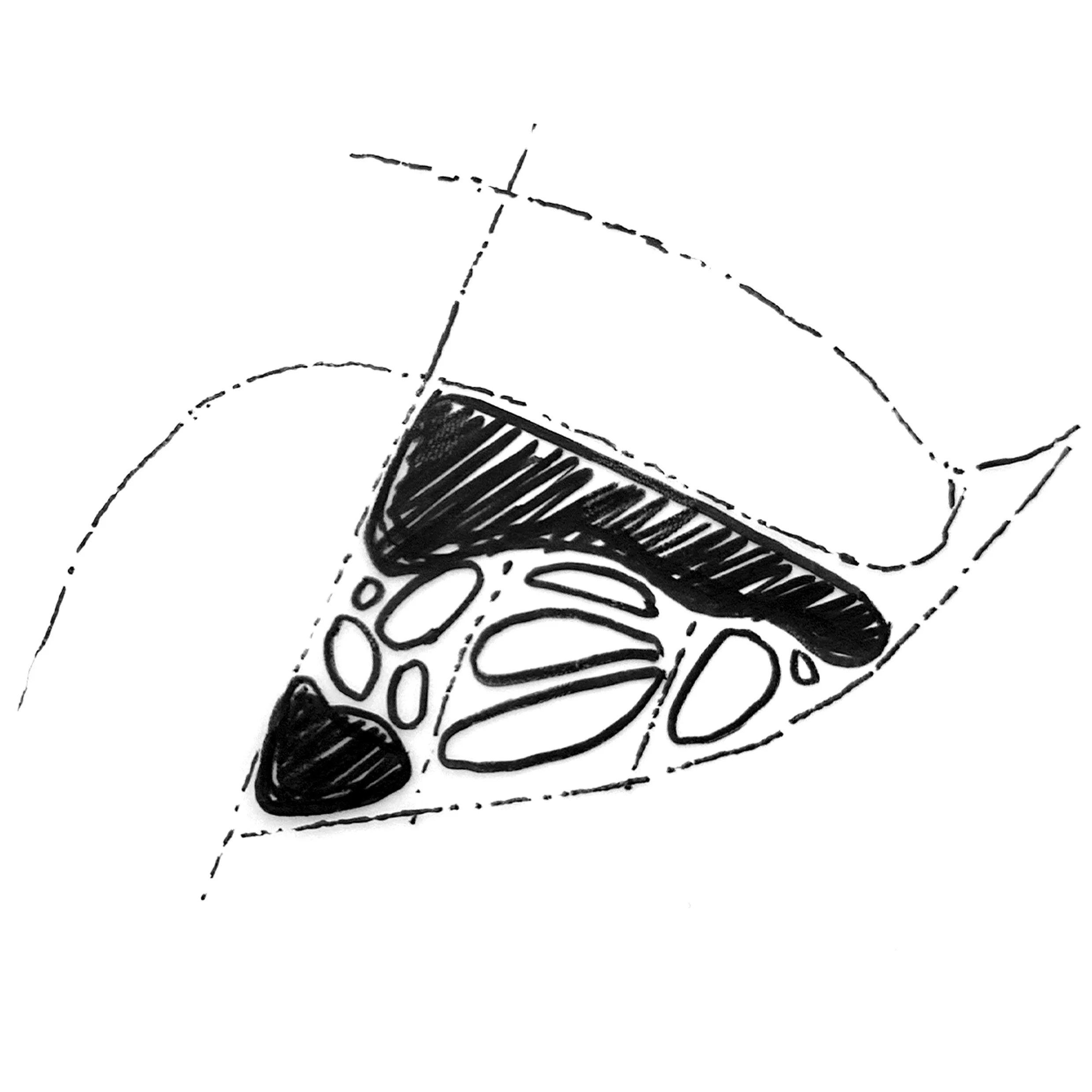
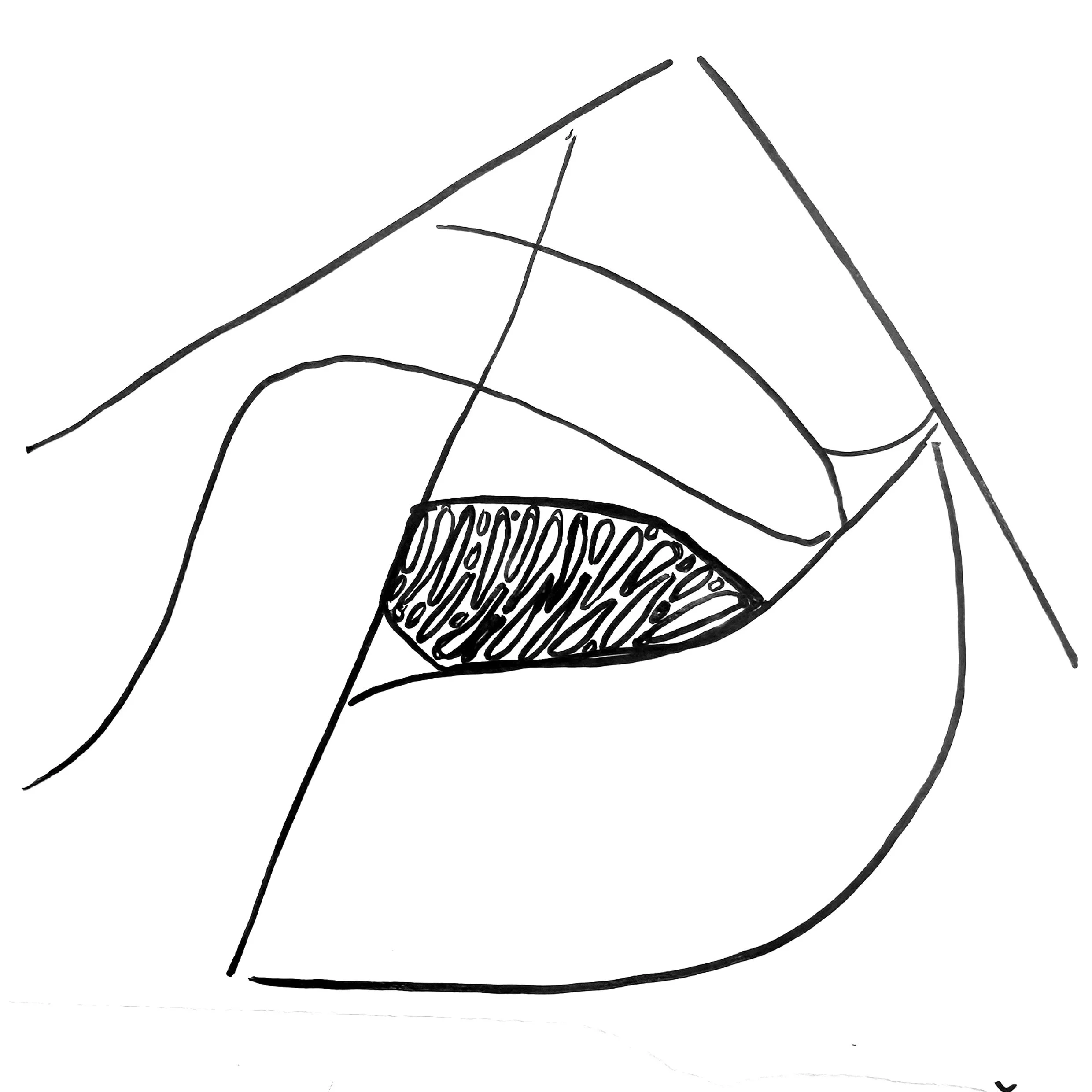
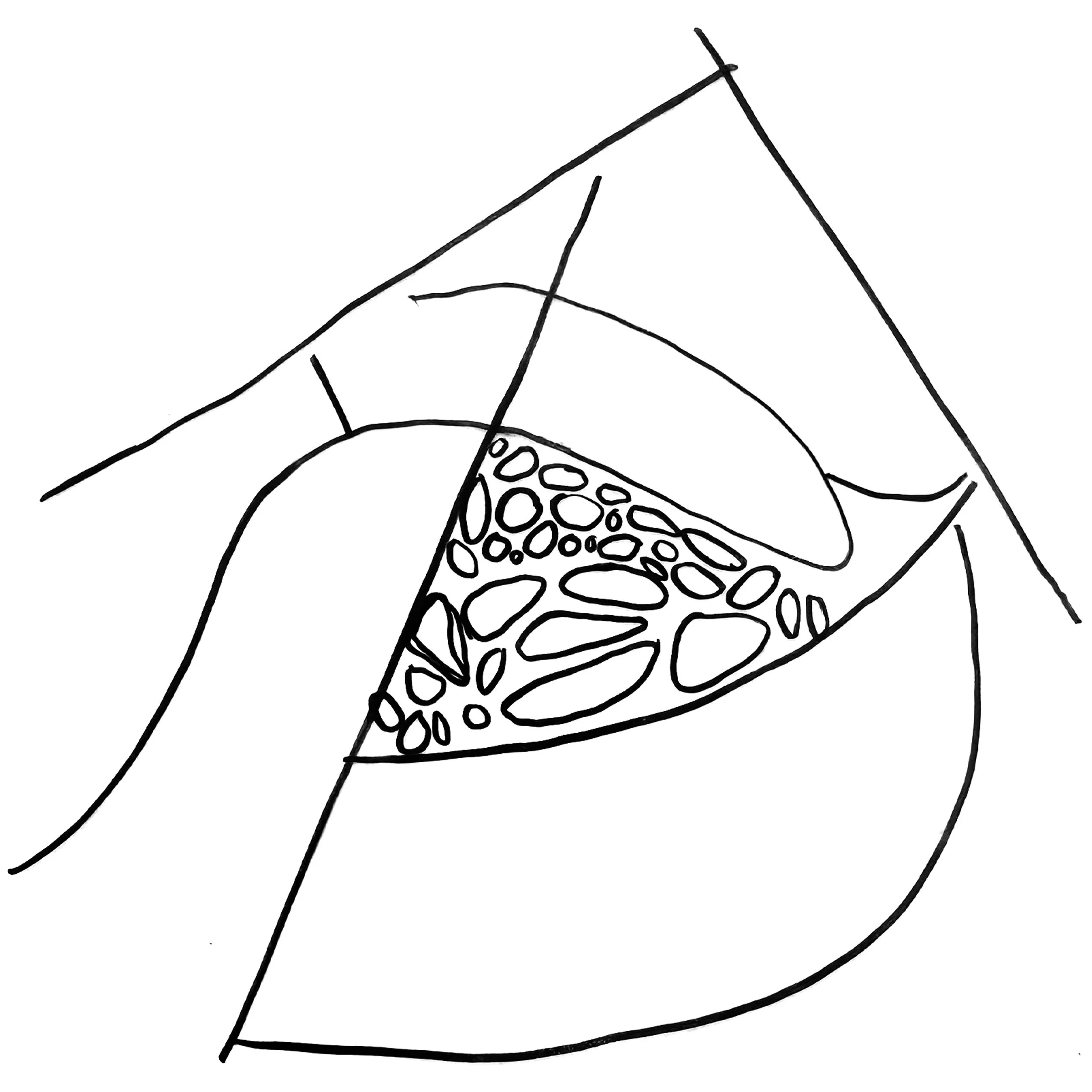
Diagram of patterned erosion
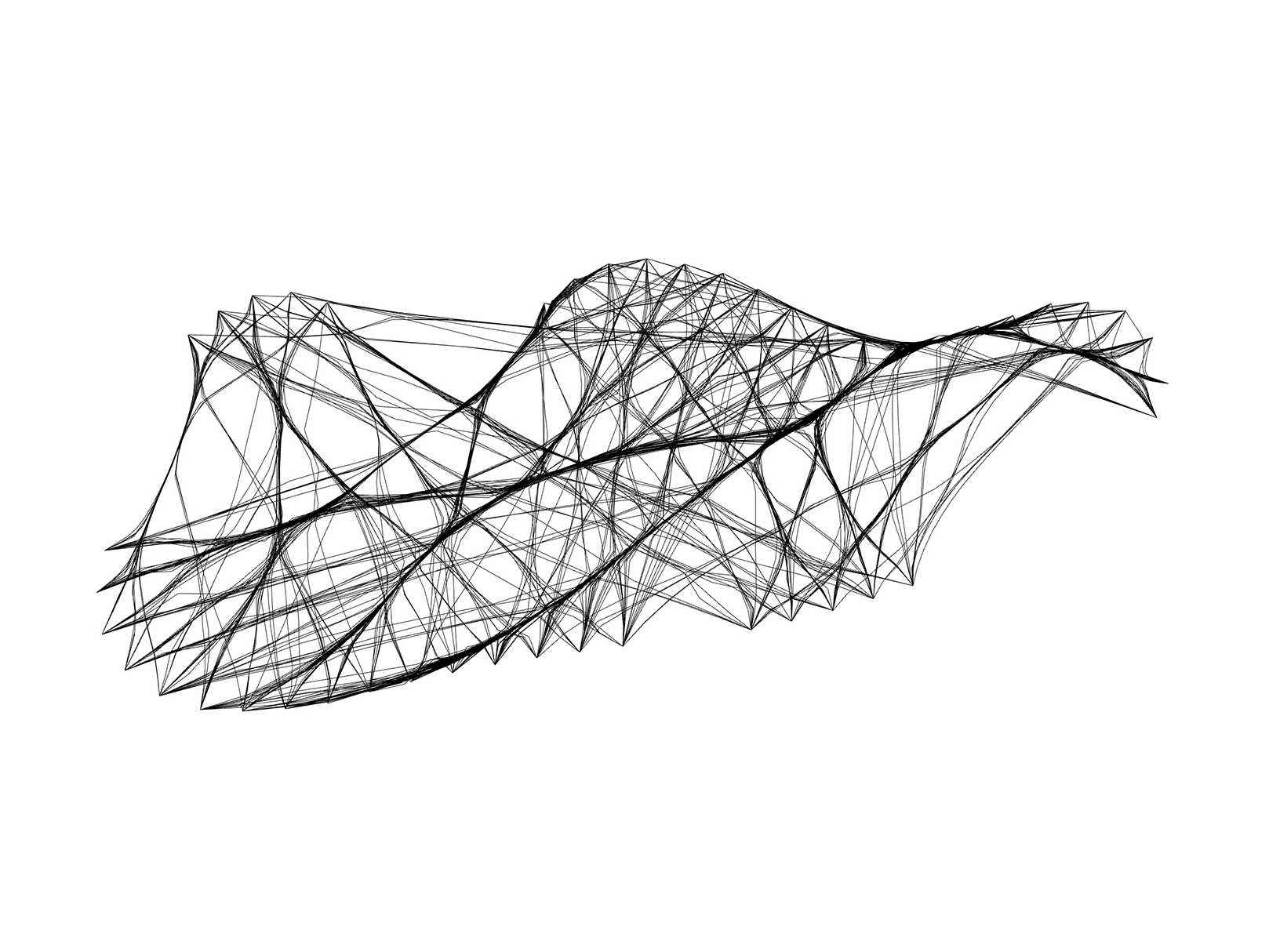
Form from control points
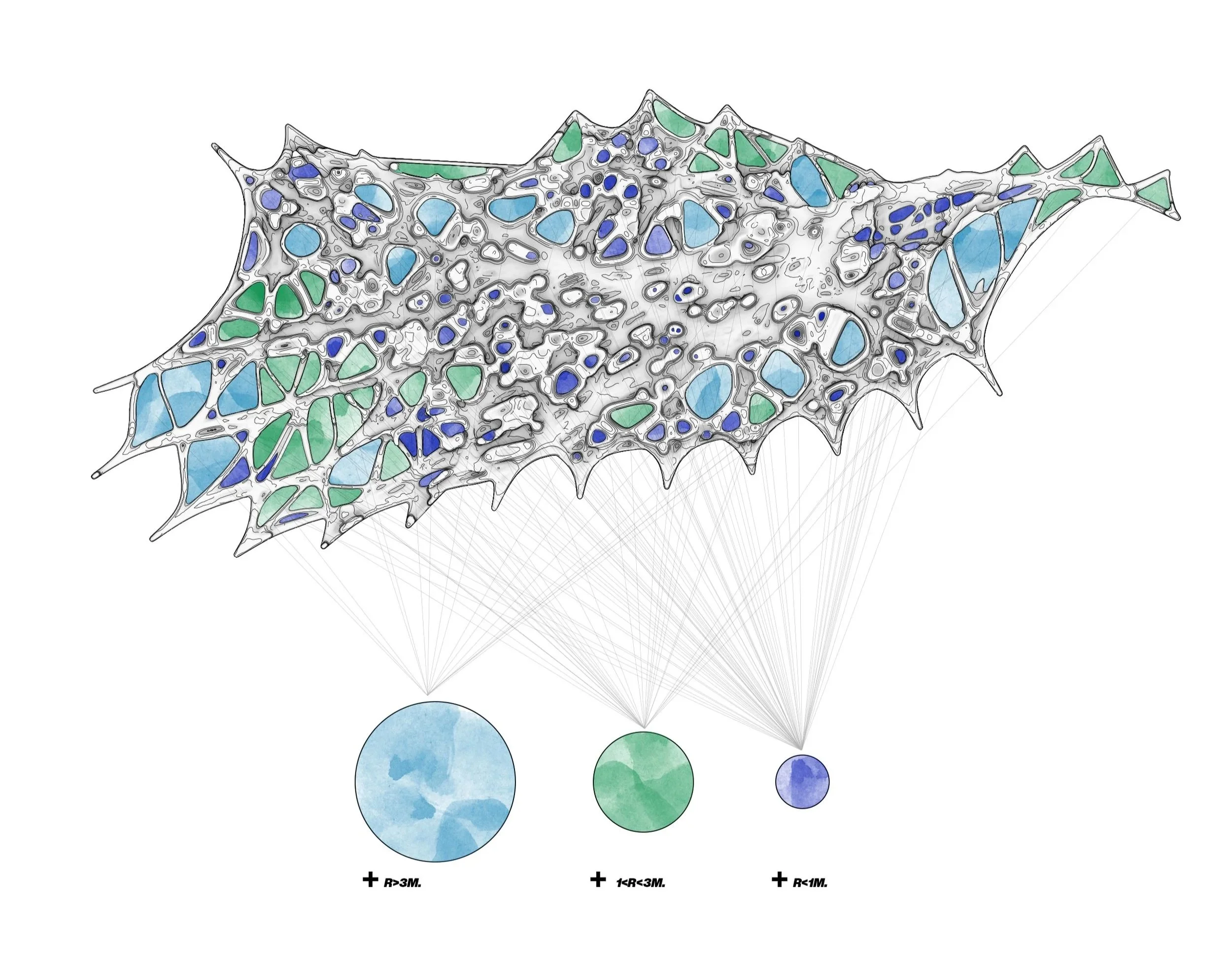
Pool size distribution