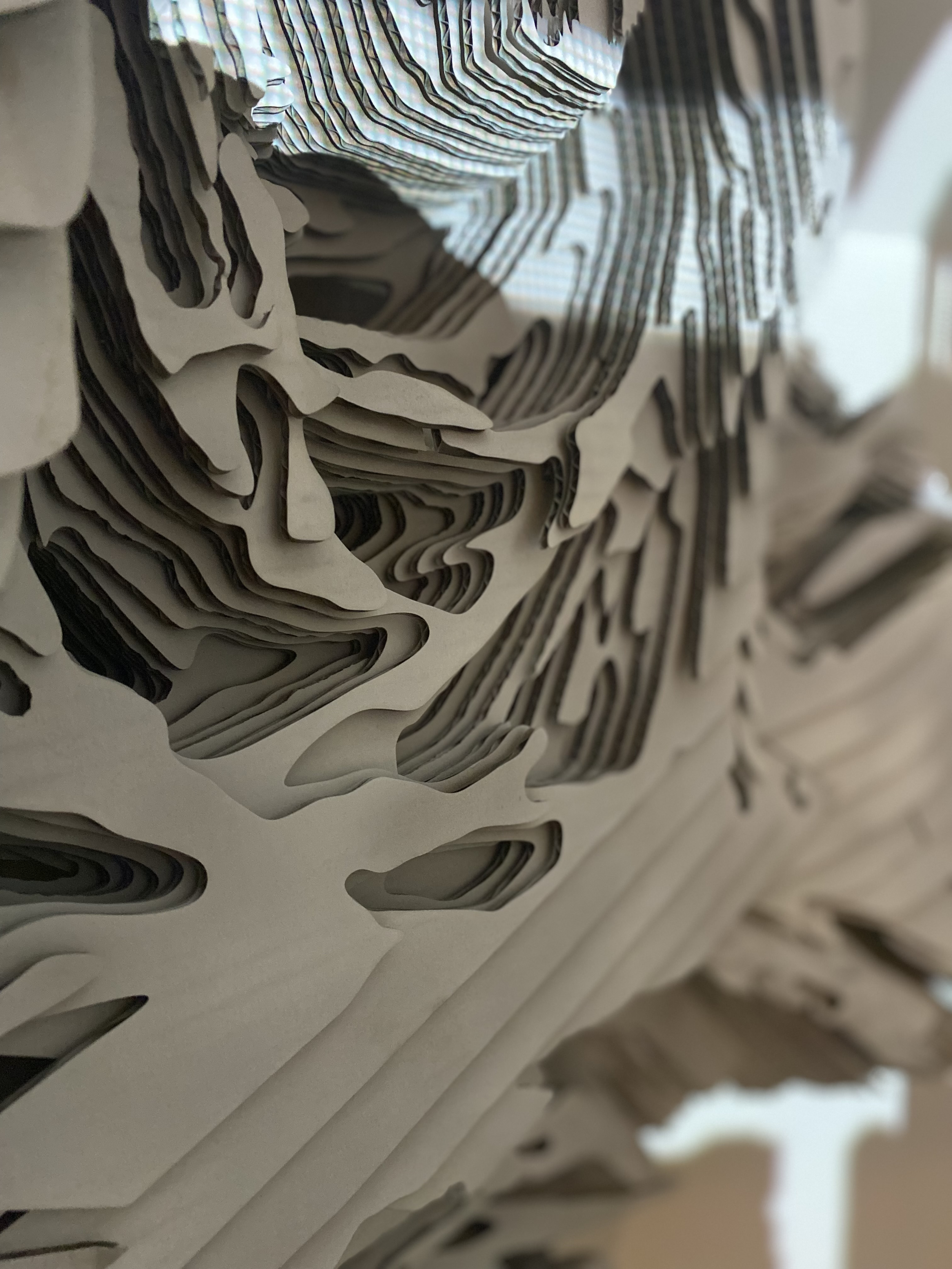
A Glossary of the Unvertical
2022 Undergraduate Senior Thesis
Advisors: Dana Cupkova, Matt Huber, Mary-Lou Arscott, Sinan Goral
Coordinators: Kai Gutschow, Sarah Rafson, Francesca Torello
Prominence of Verticality in Spatial Design
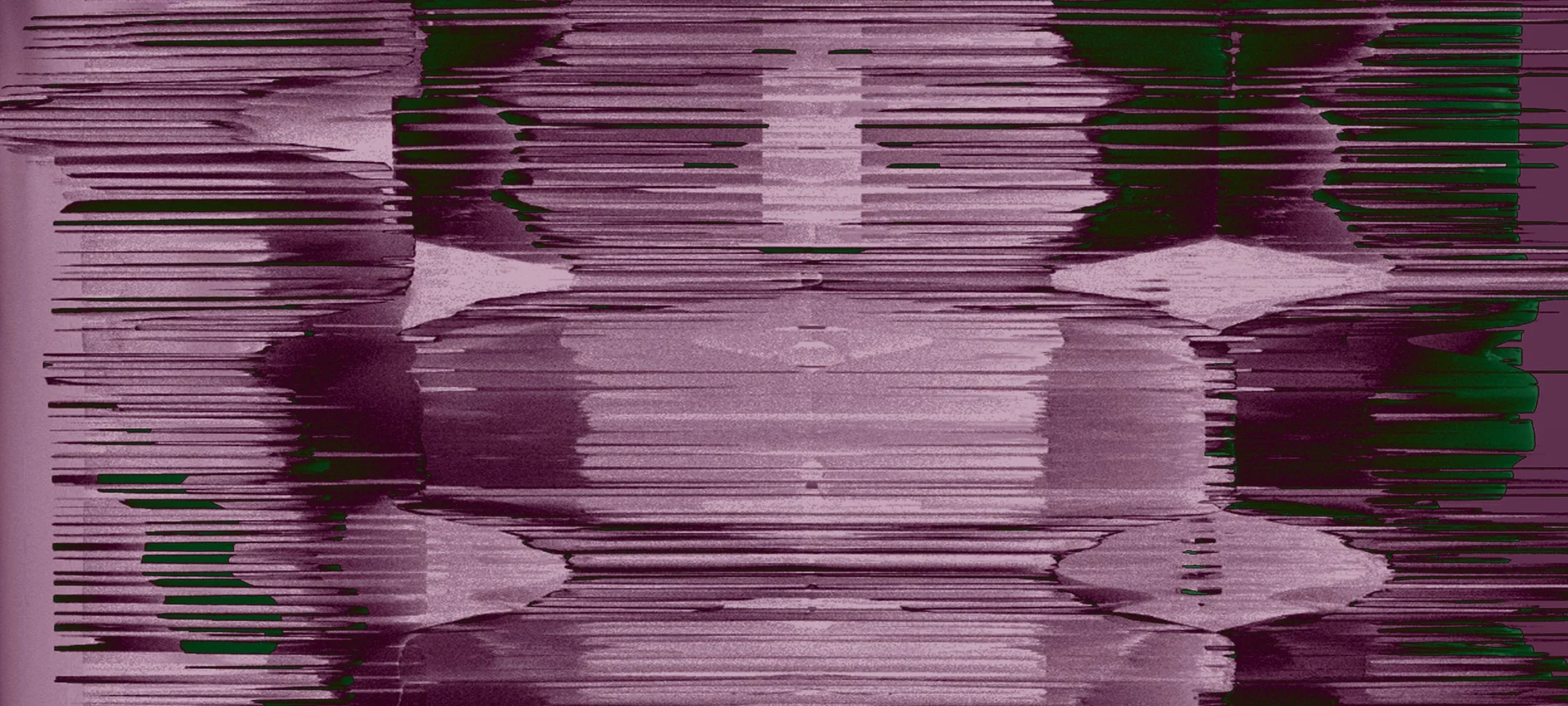
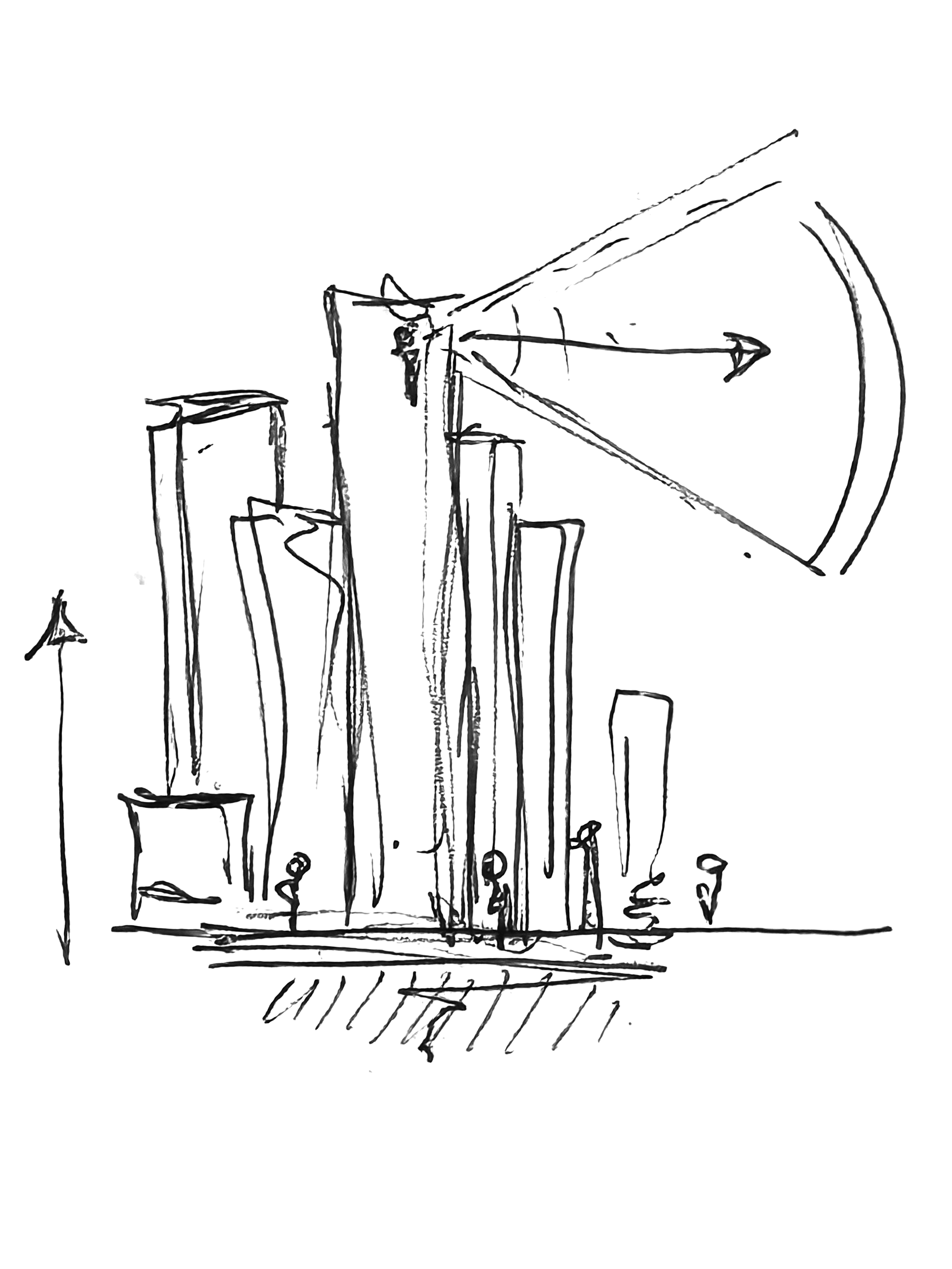
Verticality has a lot of assumptive primacy in our spaces. From the primitive hut to our current iconography of the skyscraper, architecture and space seem to be focused on vertical engagement, and that increasing our reach signifies a refinement and evolution of human ability to overcome our landscape. Verticality is political, sensorial, emotional, and physical. Yet most of these characteristics are seen as a given of it, leading to continued oppressive practices and a built environment that supports those practices. An exploration of the unvertical can help us question the predominance of verticality in our spaces and society.
Designing Unvertical Worlds
Unvertical is a term created to describe a nonbinary approach towards verticality. This approach expresses verticality as a part of the design space, but undoes the exaggerated importance of it. It is a part of the toolkit, not the toolbox itself. Unvertical also sits in a similar relationship to horizontal and vertical as undead does to living and dead. Unverticality is separate from the argument to build horizontally or even diagonally, but it is instead a challenge to the assumptions and prominence of verticality in our spaces.
Three base elements of drawing spaces were used to unravel space making from internalized bias to present vertical primacy in our spaces. Three unvertical worlds were designed from the vertical line, the diagonal line, and the grid, unpacking the neutral values from the vertical usage.
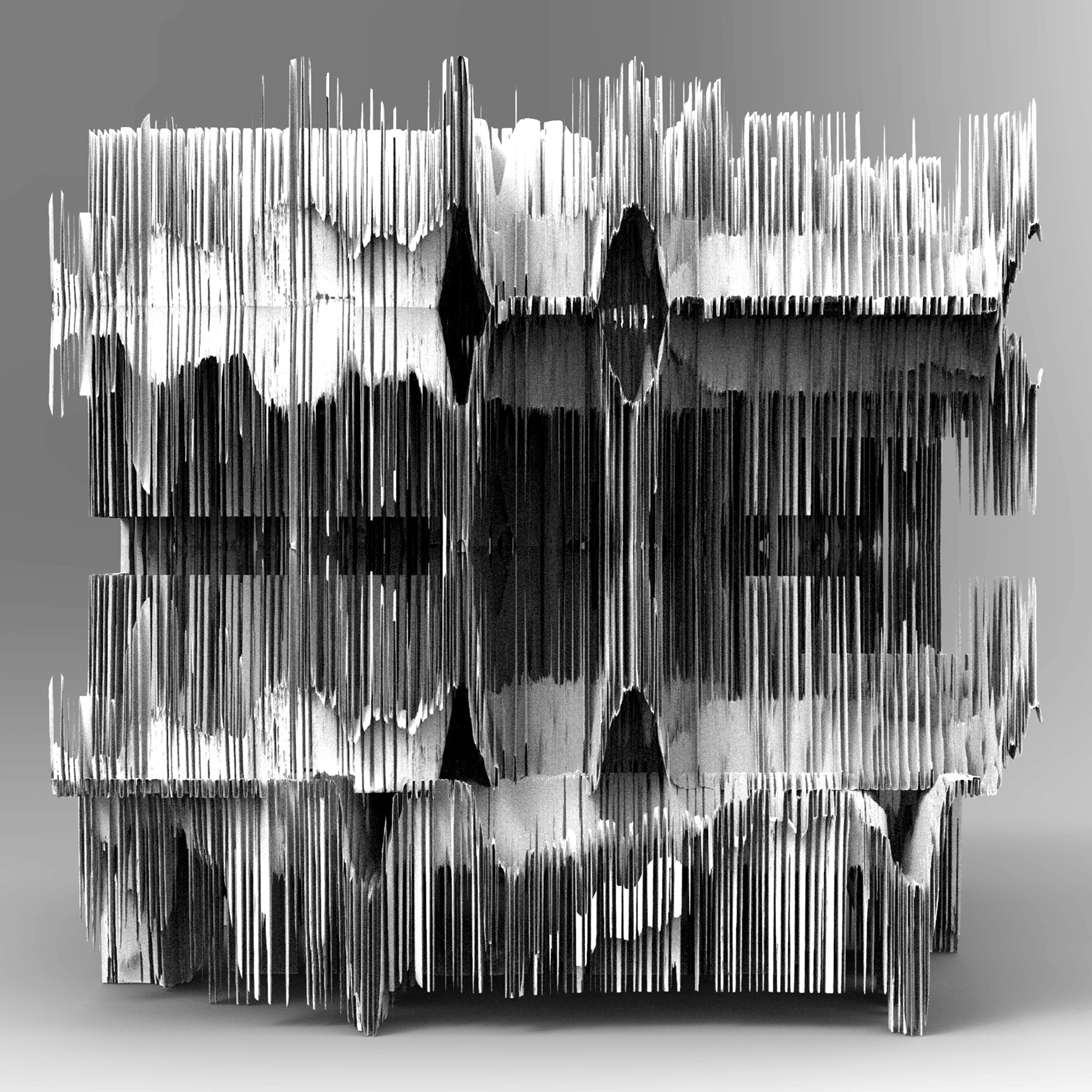
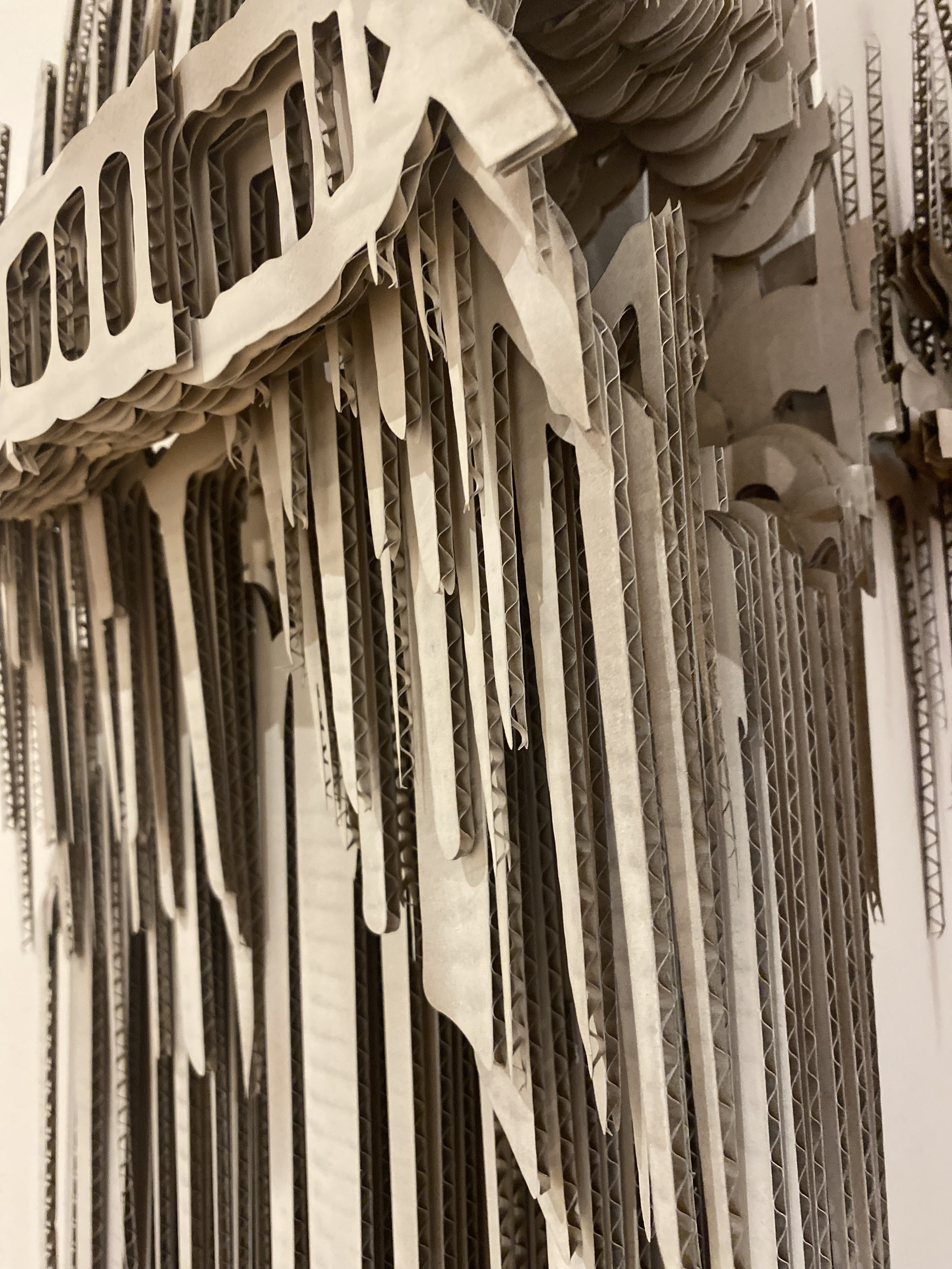
The Vertical Line
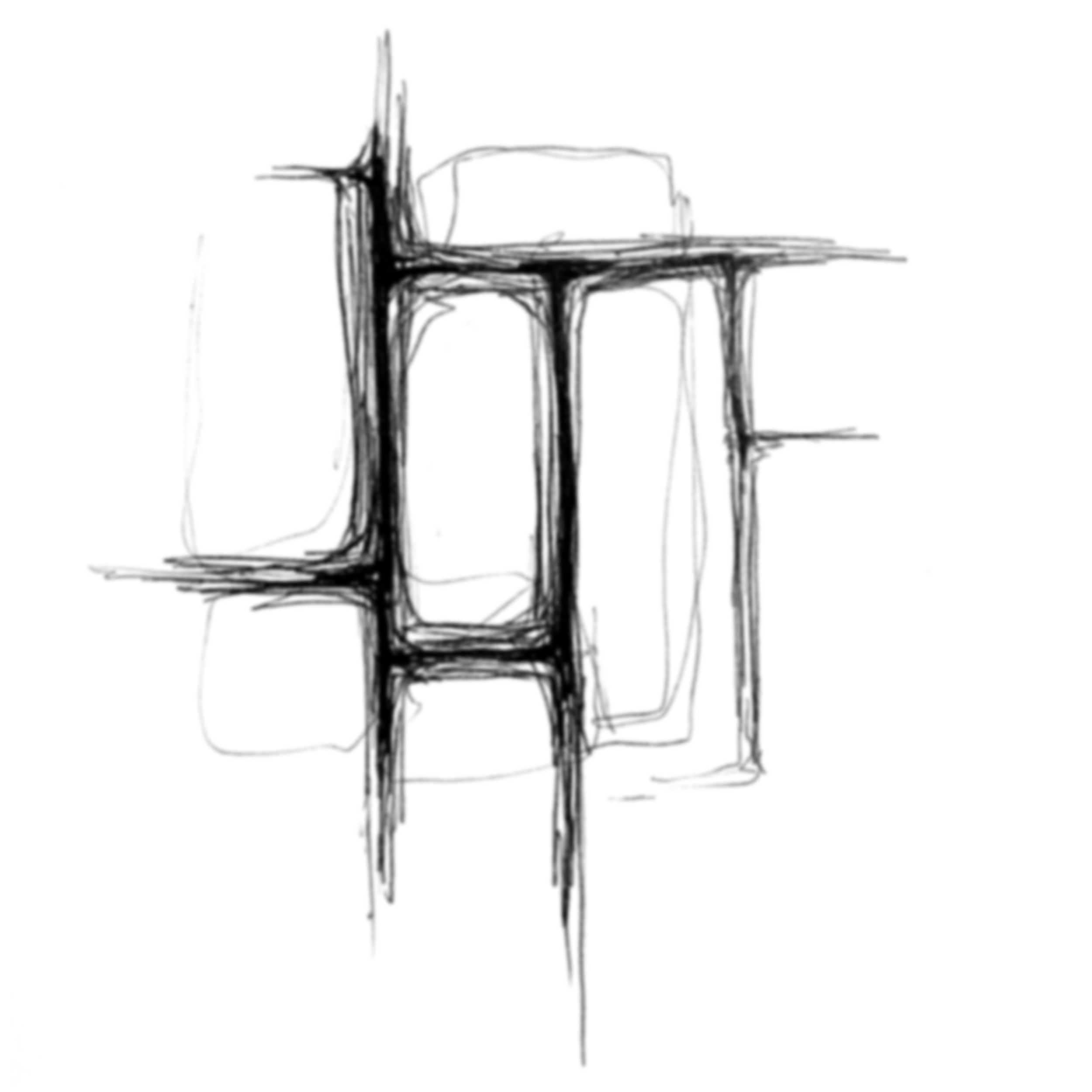
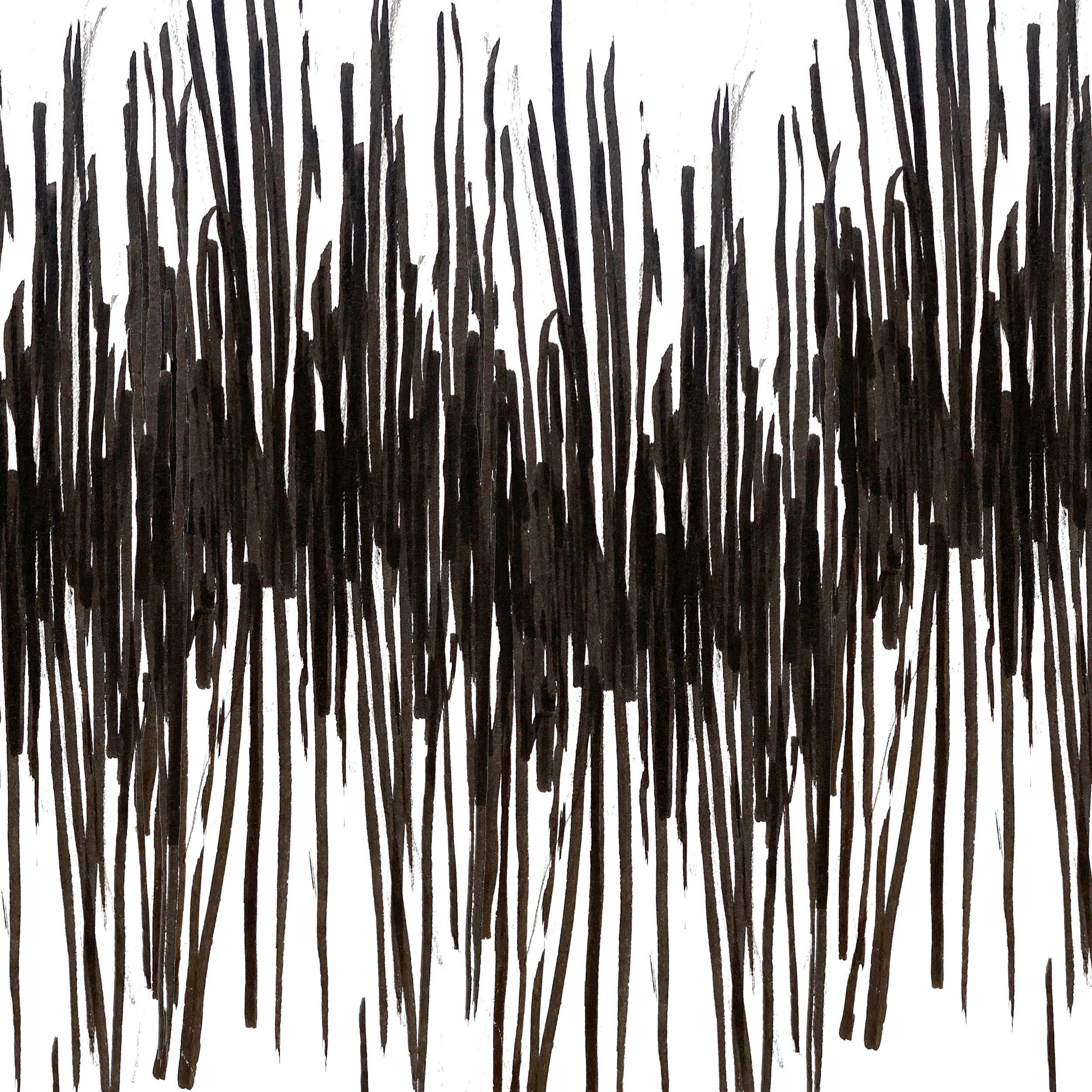
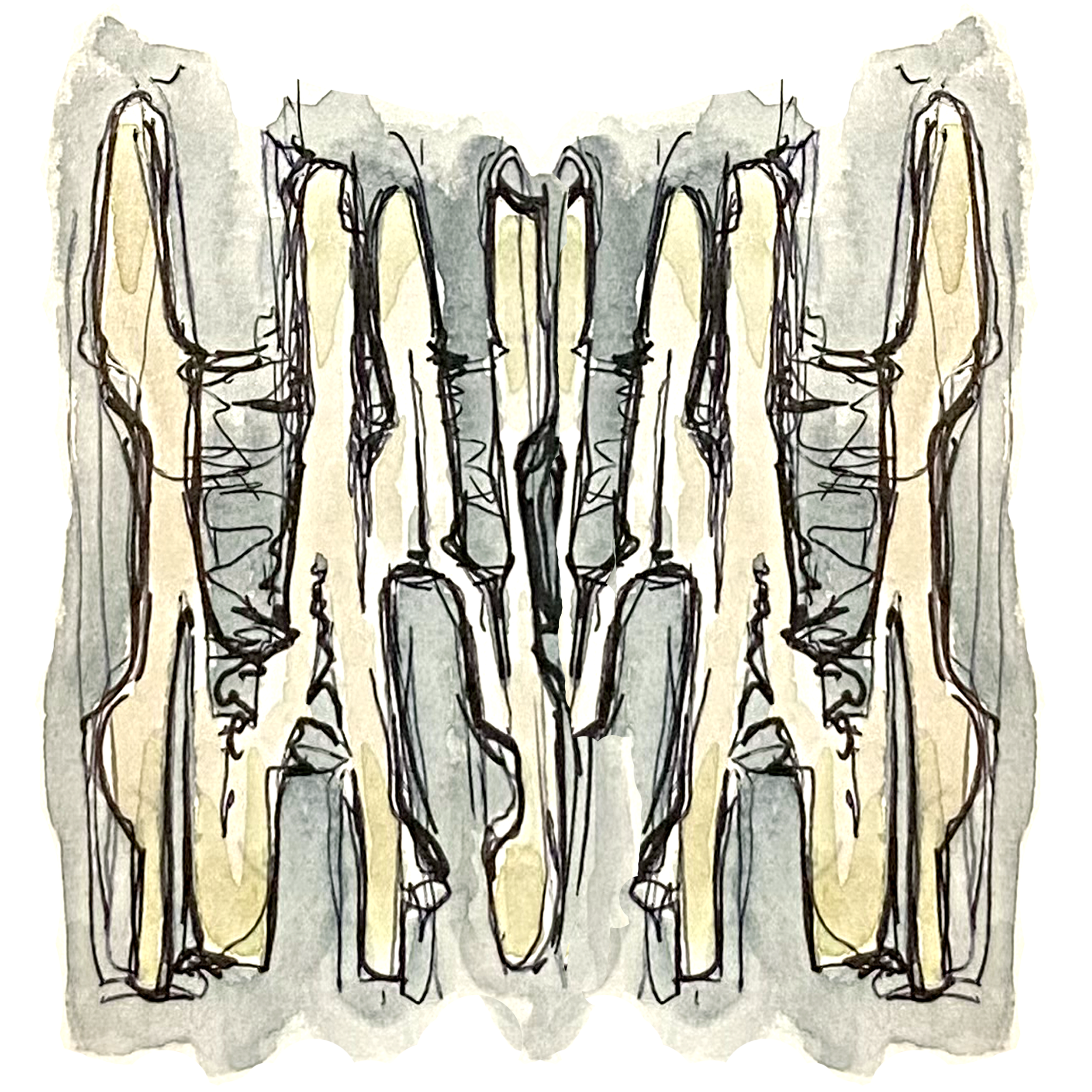
The vertical line represents the edge of a space, the boundary between two zones, and often the most basic element of the environment. It is also used to show a rhythm, representing the orientation of the human body, and has historic connotations of masculinity and intelligence.
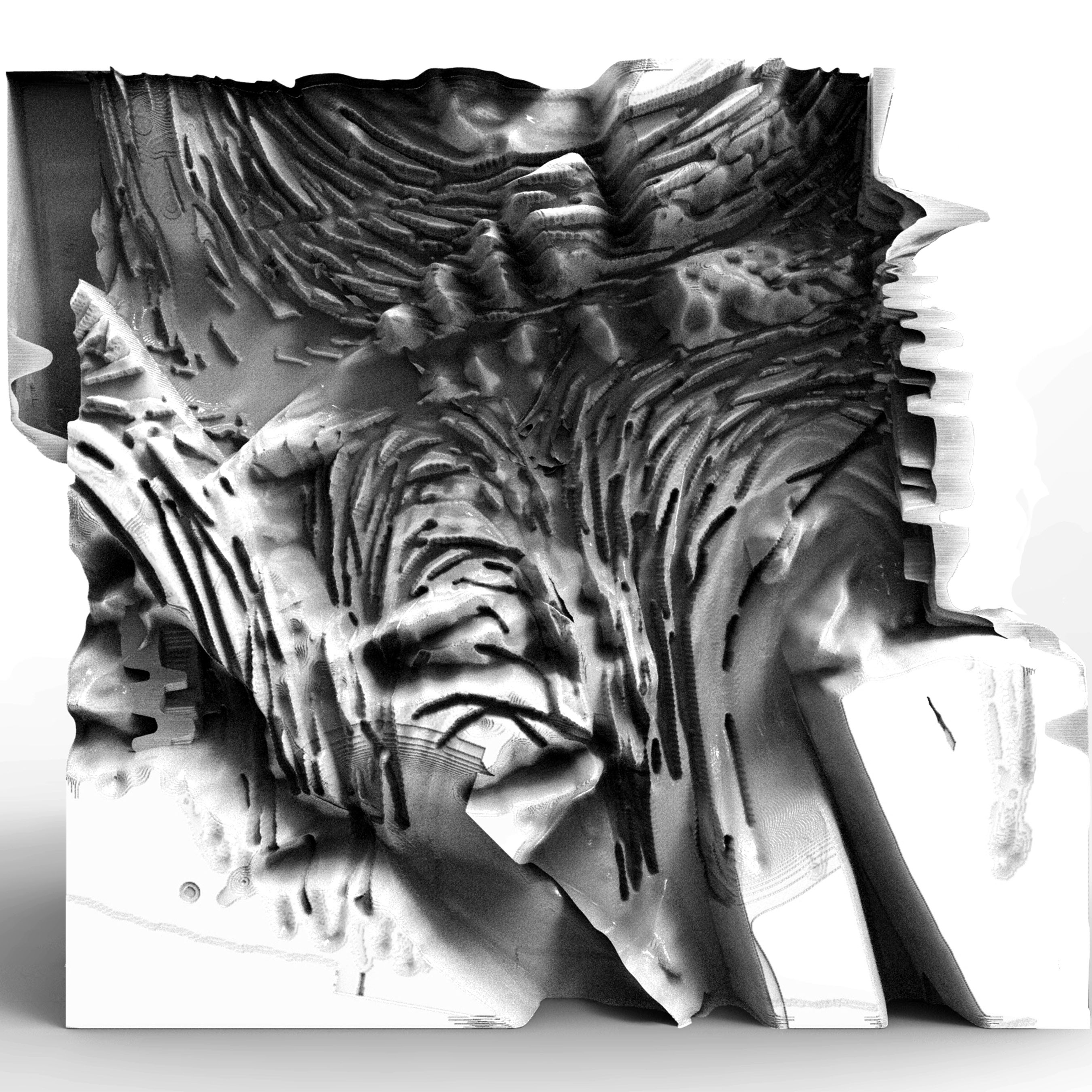
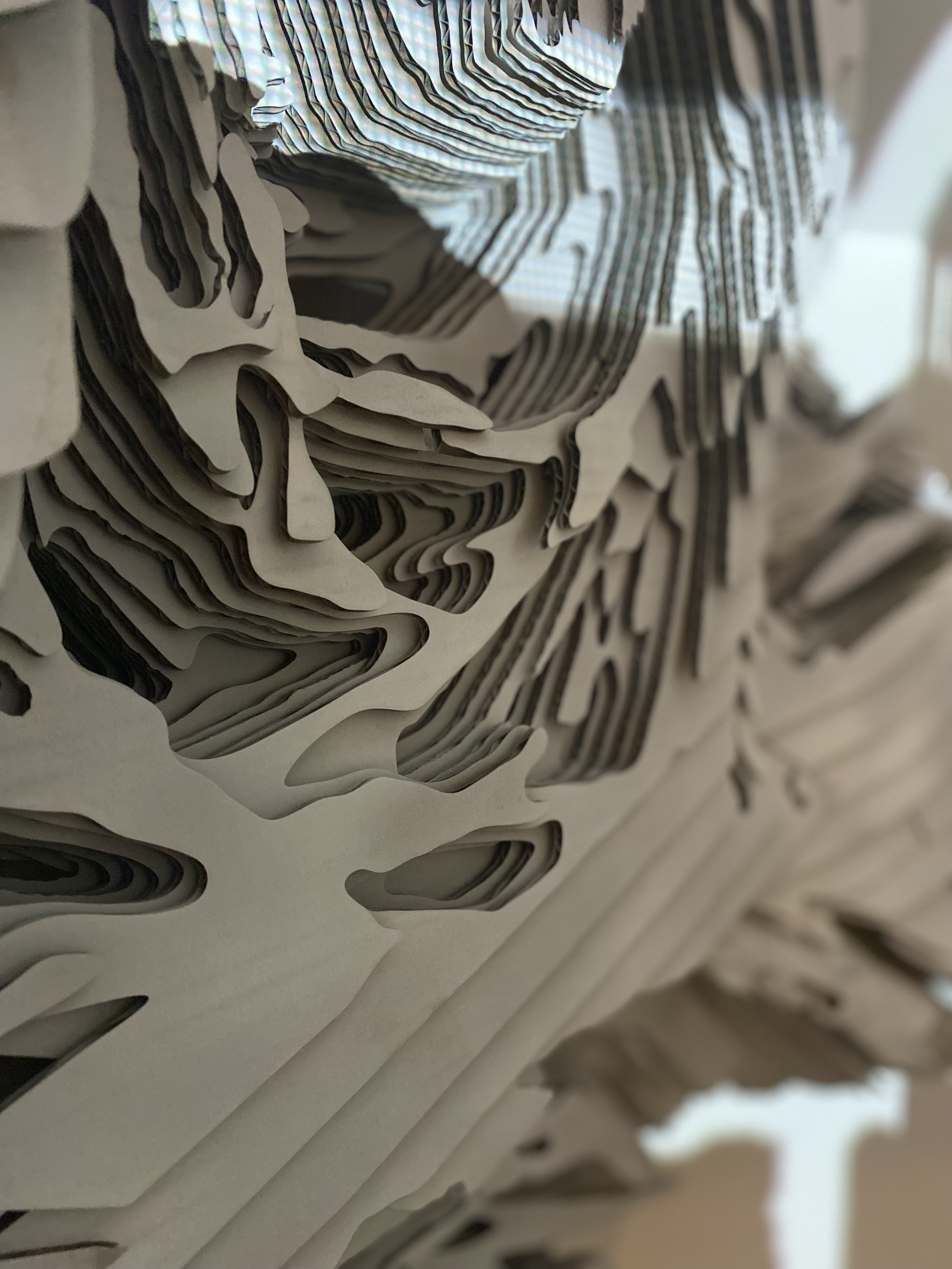
This unvertical vertical line world uses the excess of the vertical line to turn the element into white noise. It is the major element of this space, and yet our eyes are drawn to other spatial features because the excess of line has segmented the verticality into a secondary element.
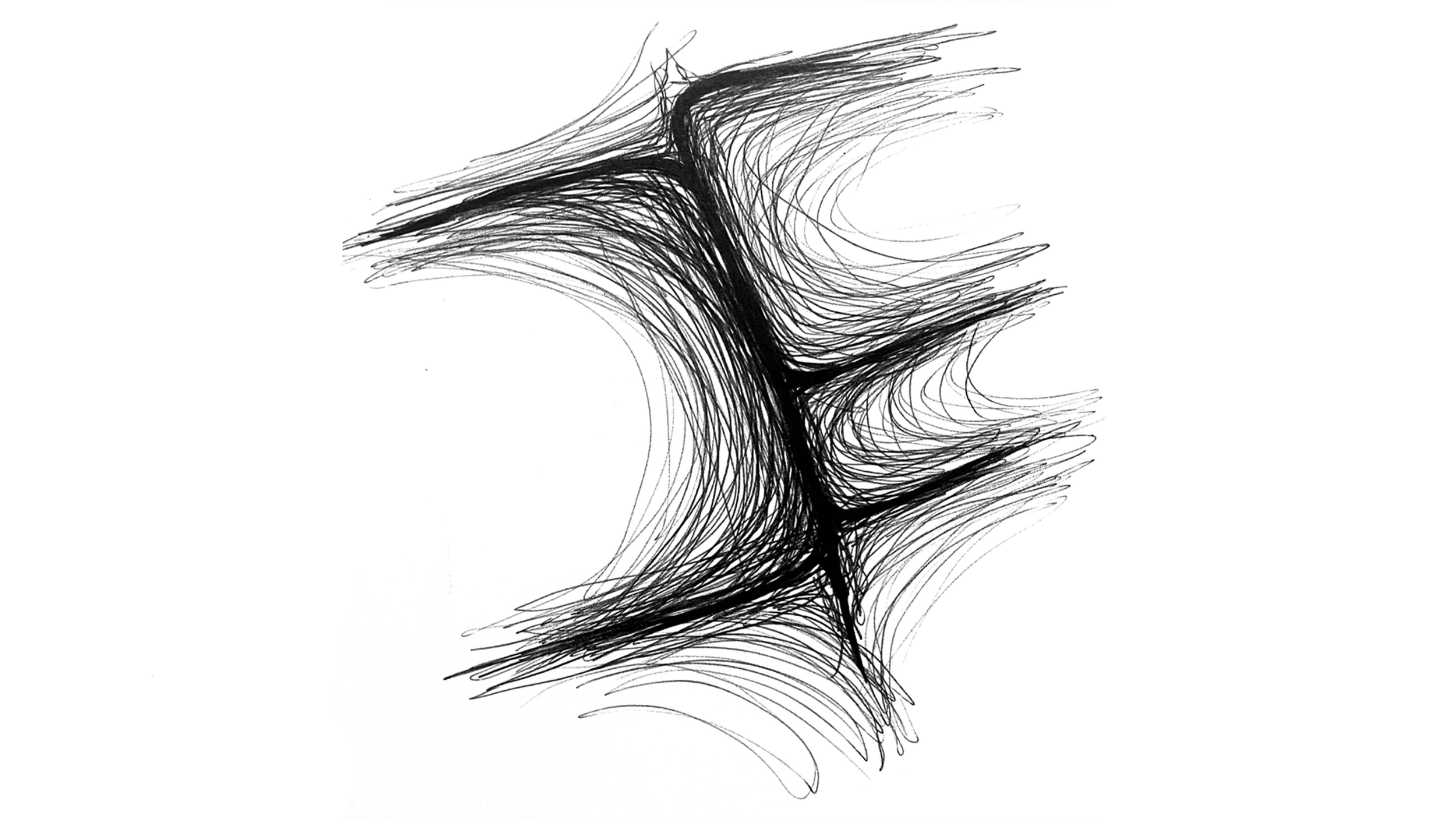
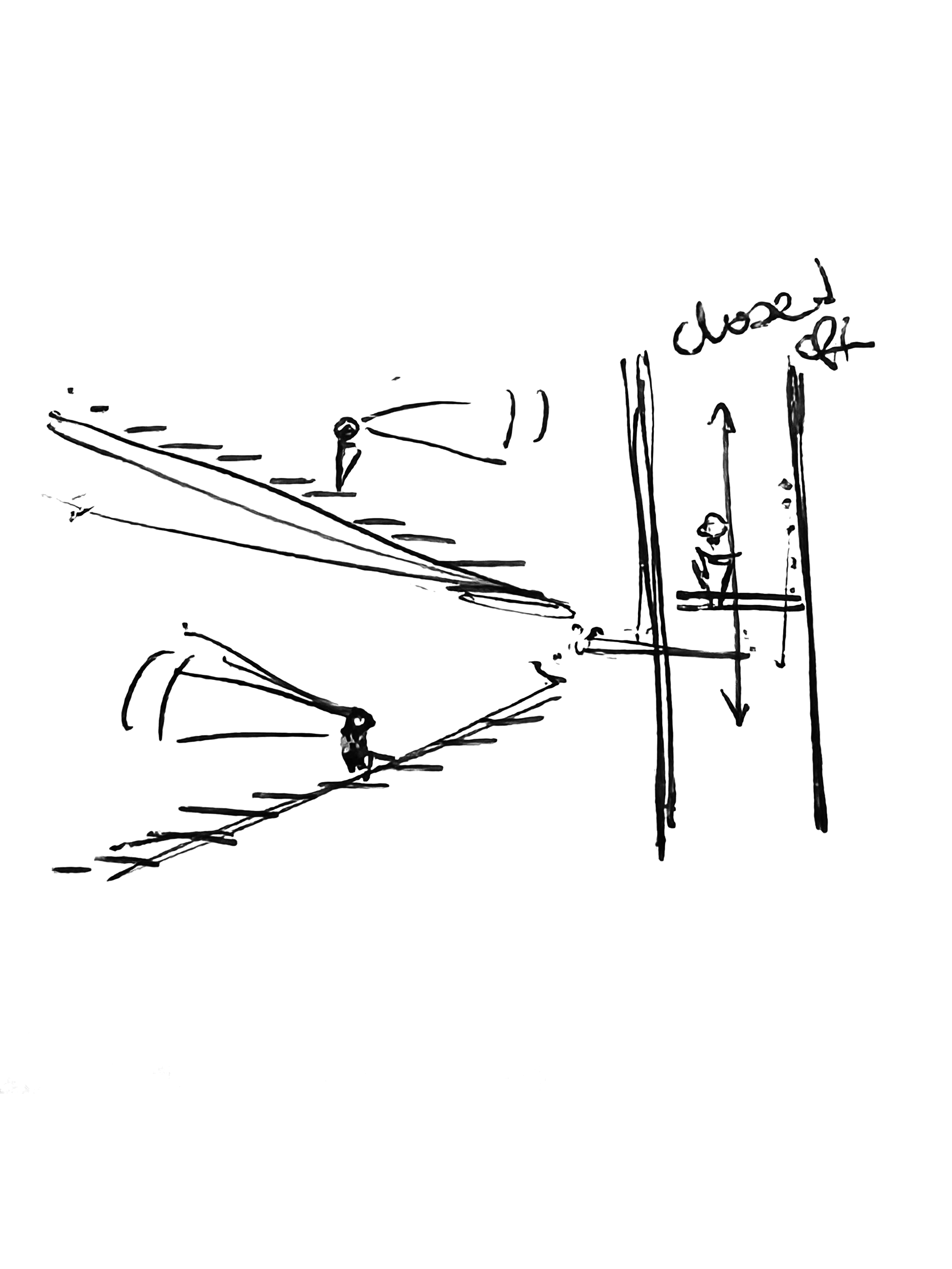
The Diagonal Line
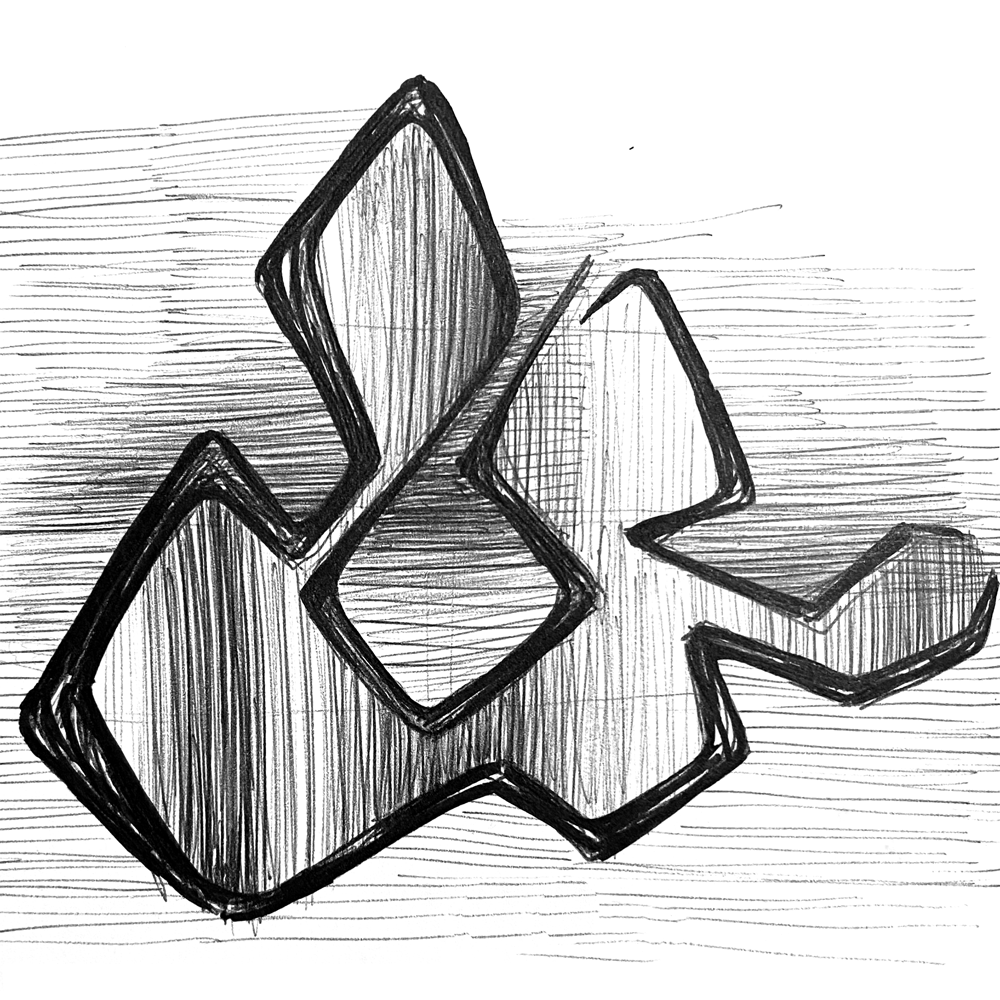
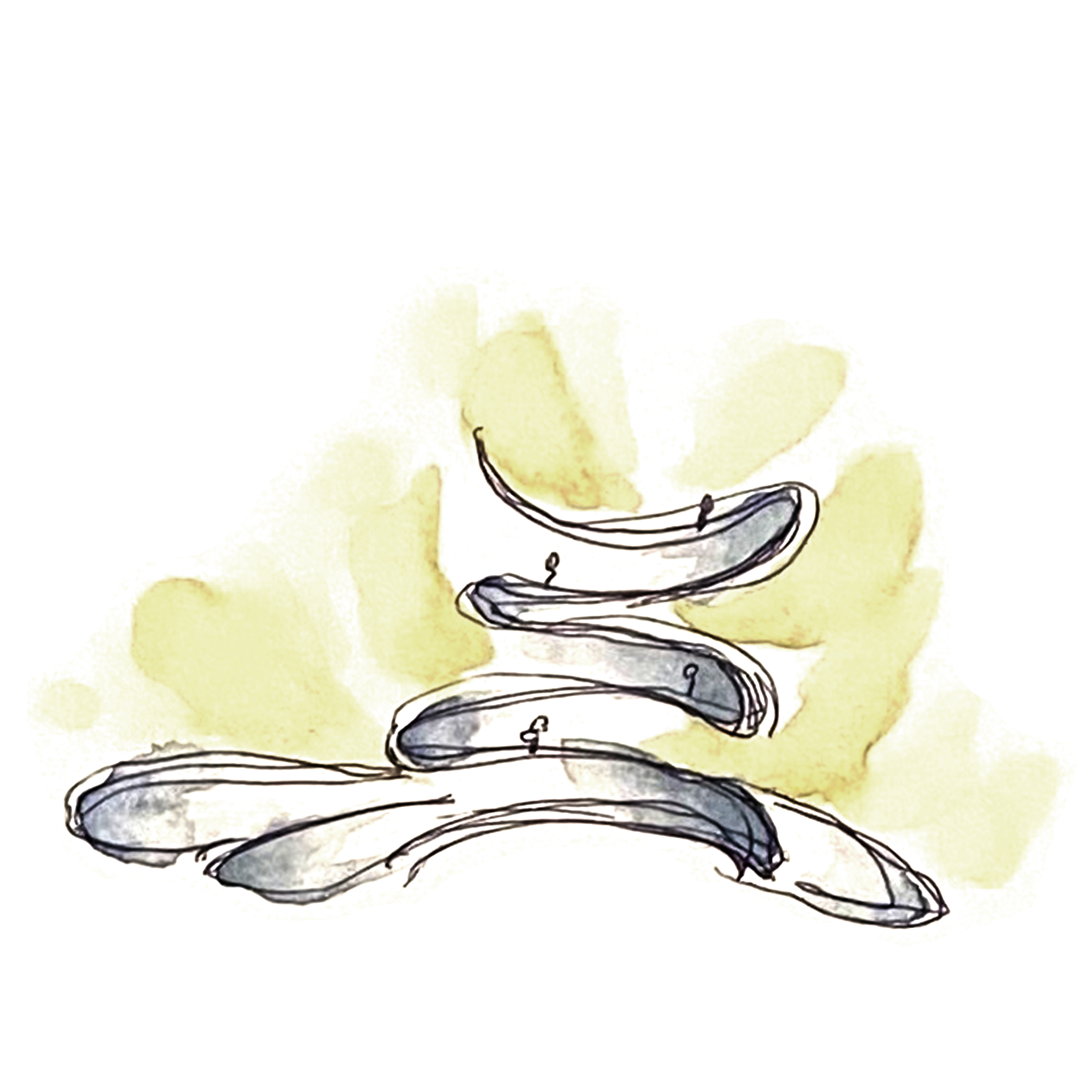
The diagonal is almost always defined by its relation to an orthogonal line which tends to fall into a grid structure. The use of diagonals in architecture is often limited to facades, stairs, and ramps.
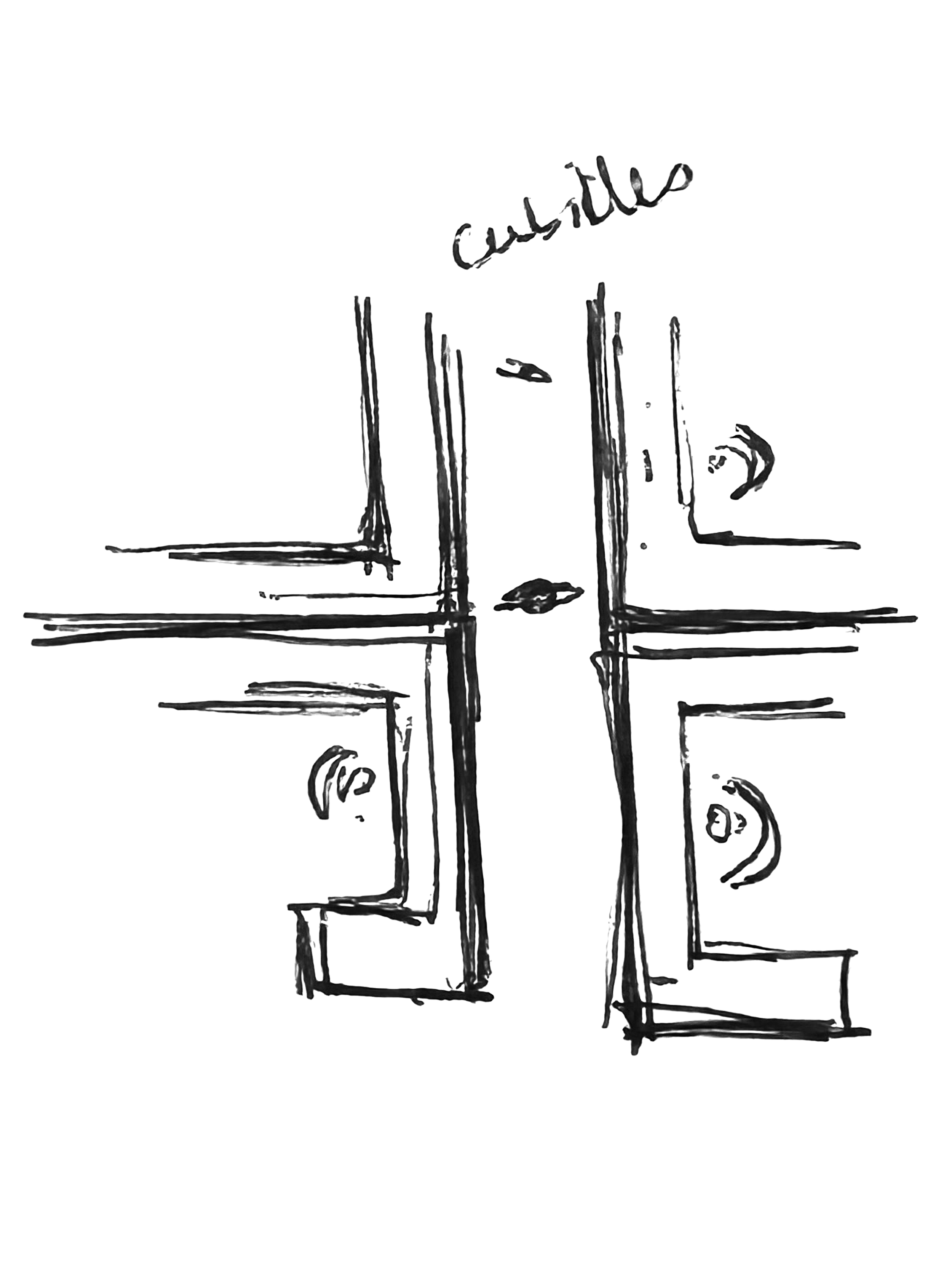
This world explored the way that dreams are often not set in bounded and logical spaces. This was created by abundance of the private inner corner rather than the public outer corner. The diagonal is key to disabled access of vertical space and this warped diagonal creates filigree that can connect spaces without identifying a typical route and a disconnected disabled route.
The Grid
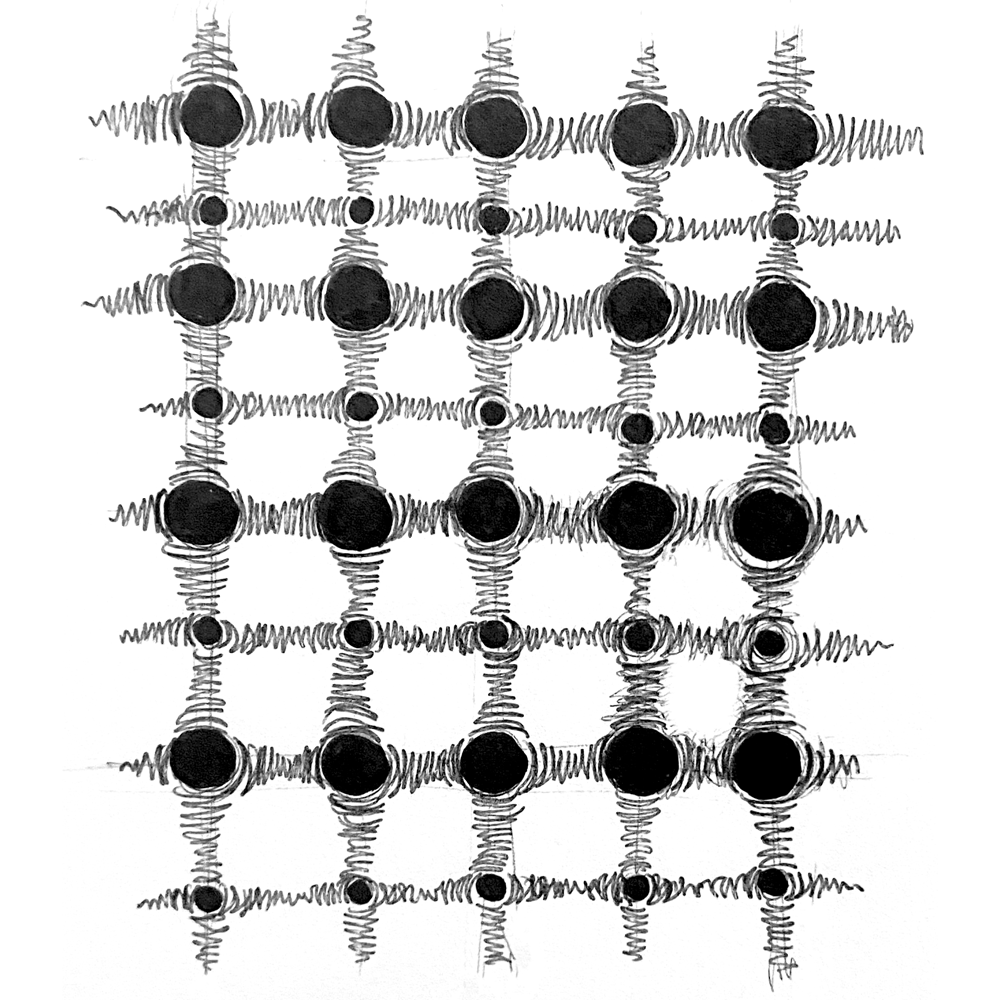
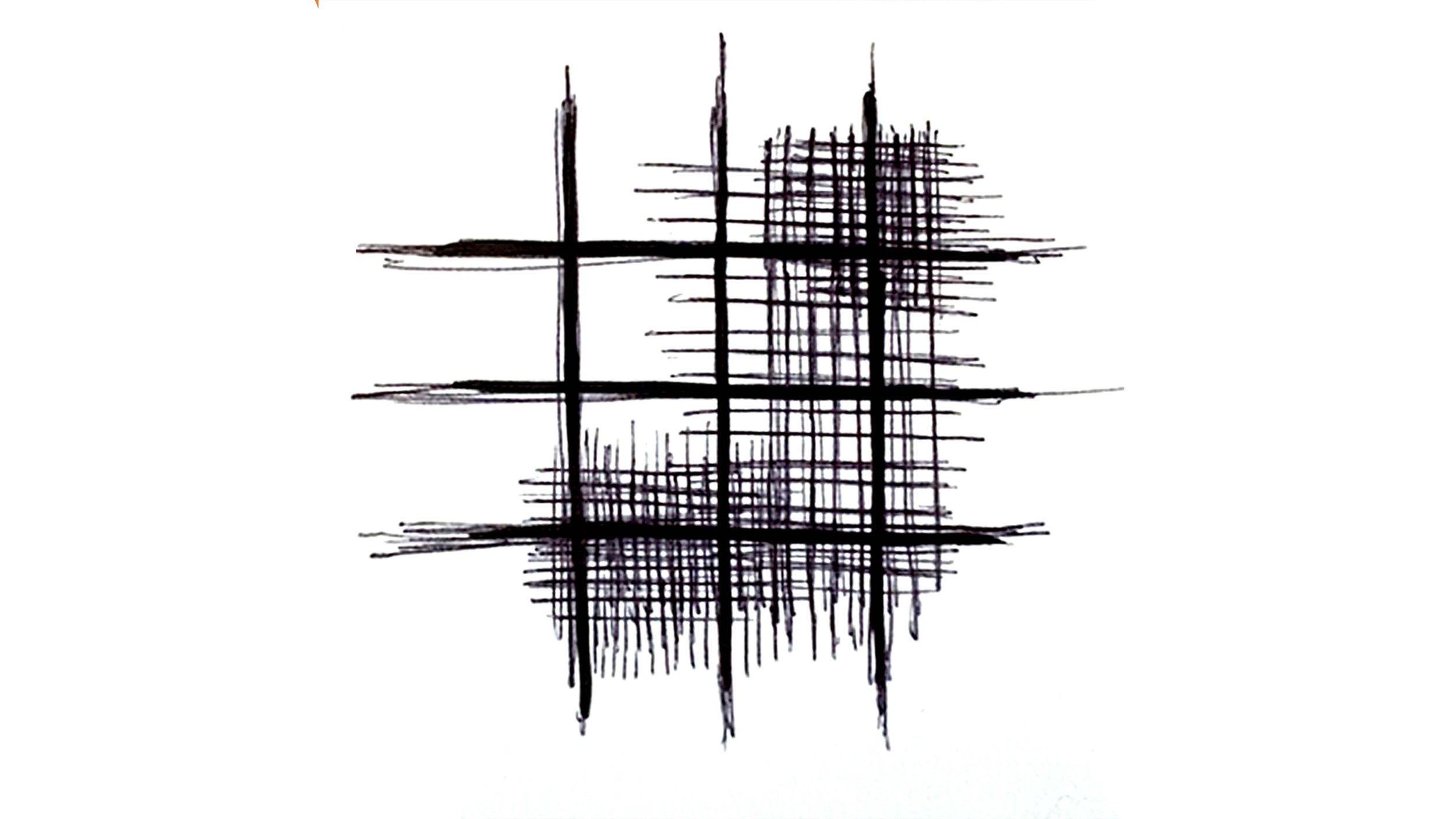
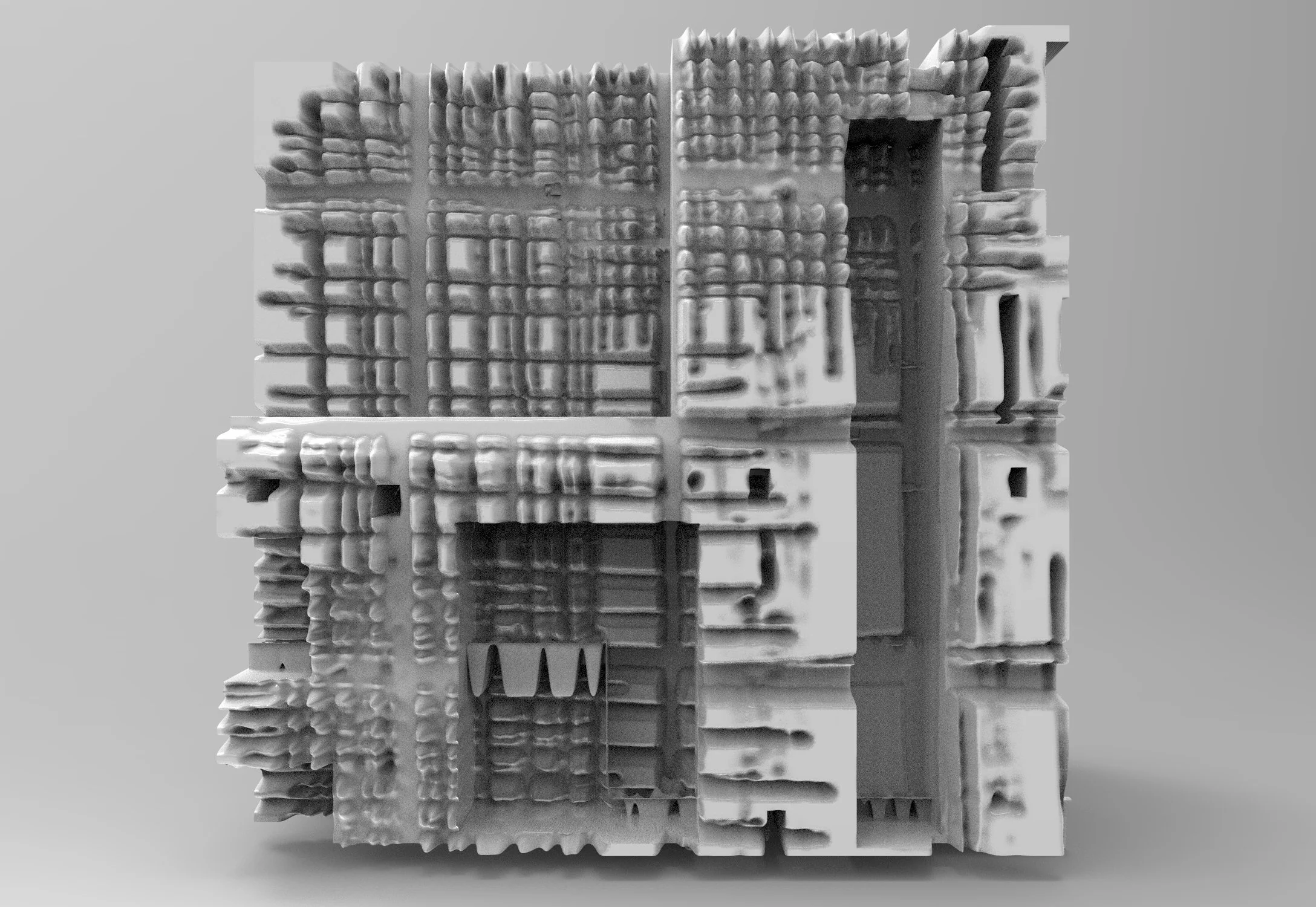
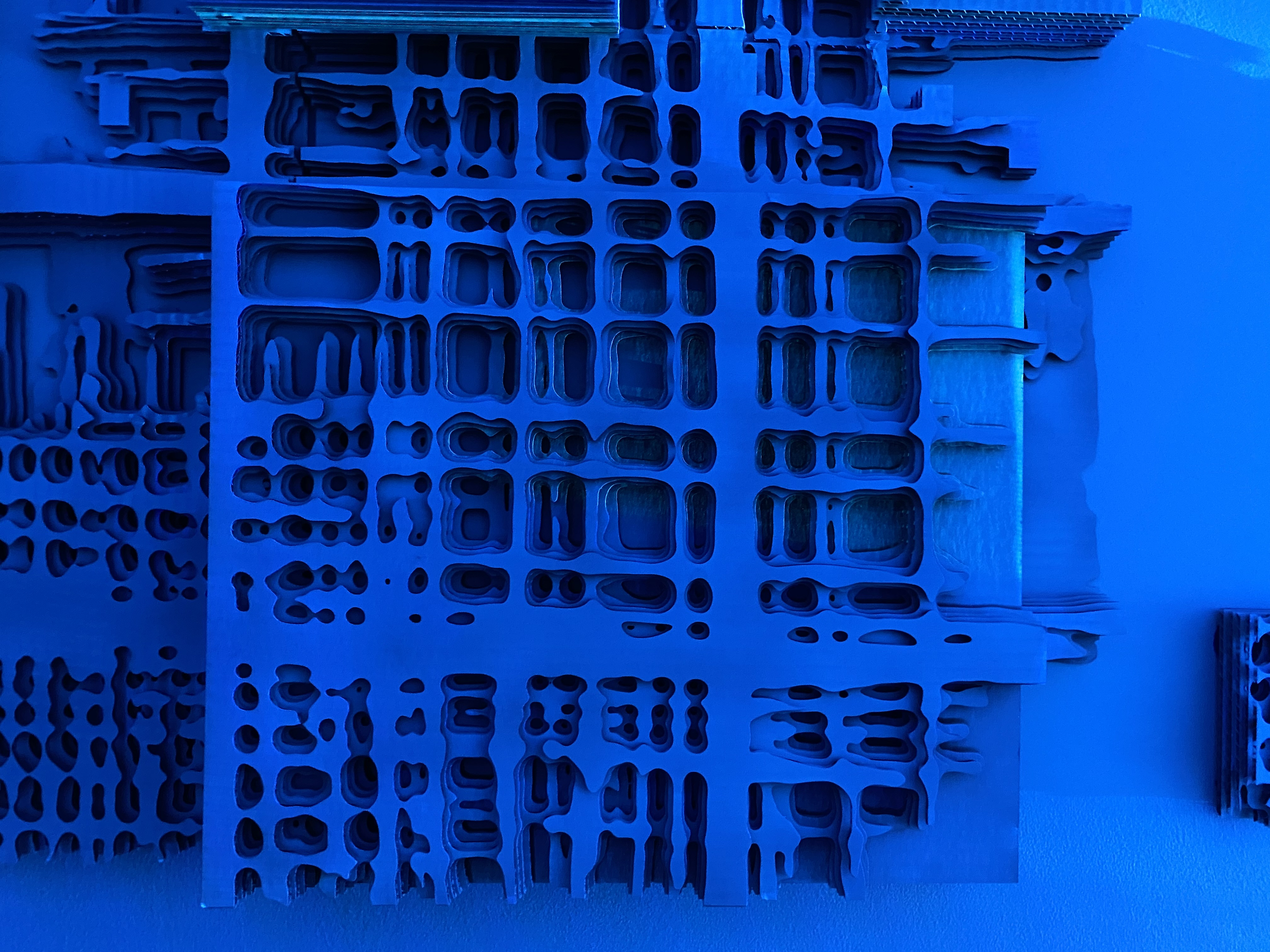
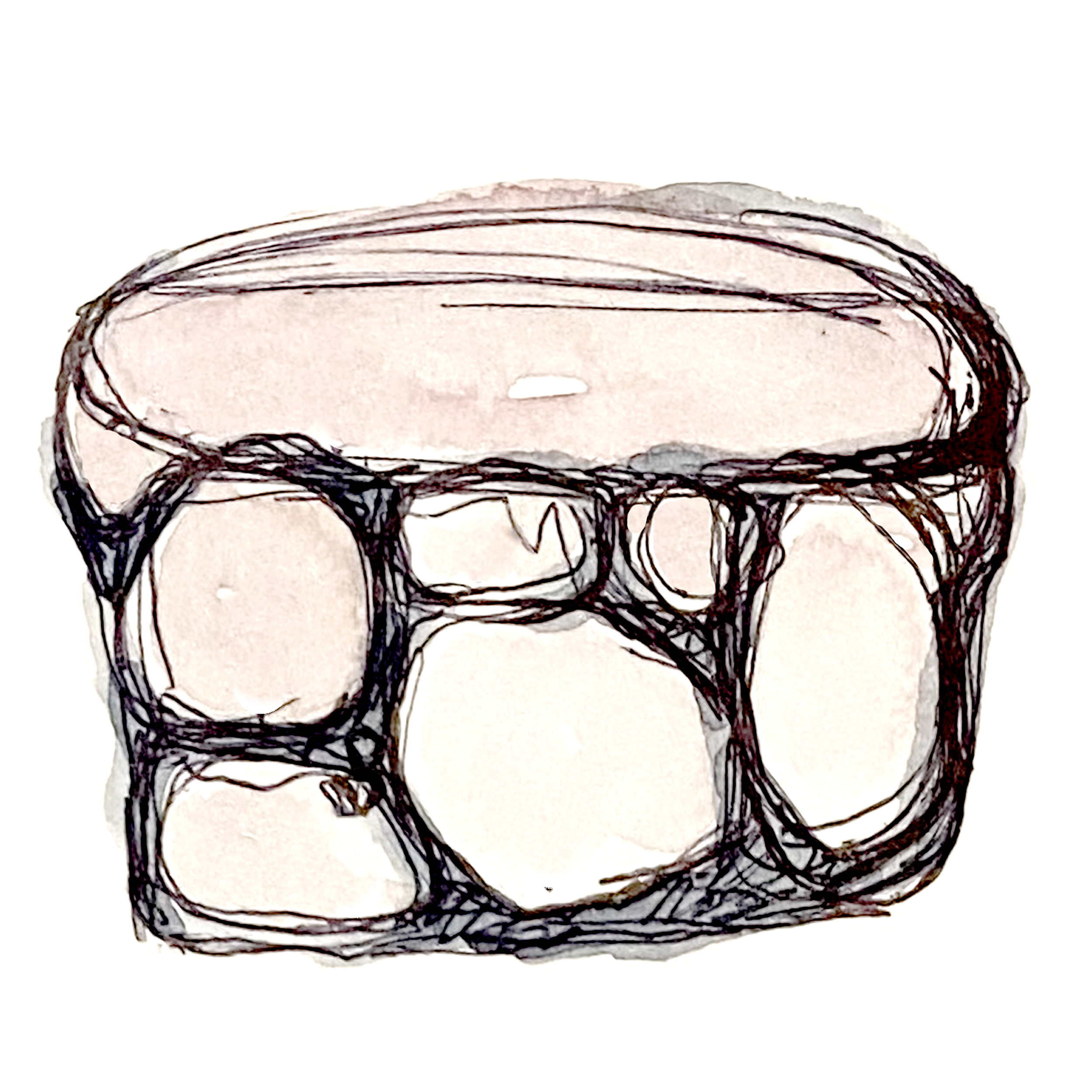
The grid is often a dominant organizing system for stability and efficiency. Societies depend on grids superimposed on the non-euclidean to navigate the landscape through instruments like GPS and city grids. They are practically synonymous with advanced development derived from colonization and control.
The result of this grid world was a rule set that lessened the definition of each bounded space and increased the reading of the connection between two segments, challenging the use of a grid for segmentation and control.
Process
Texture Studies
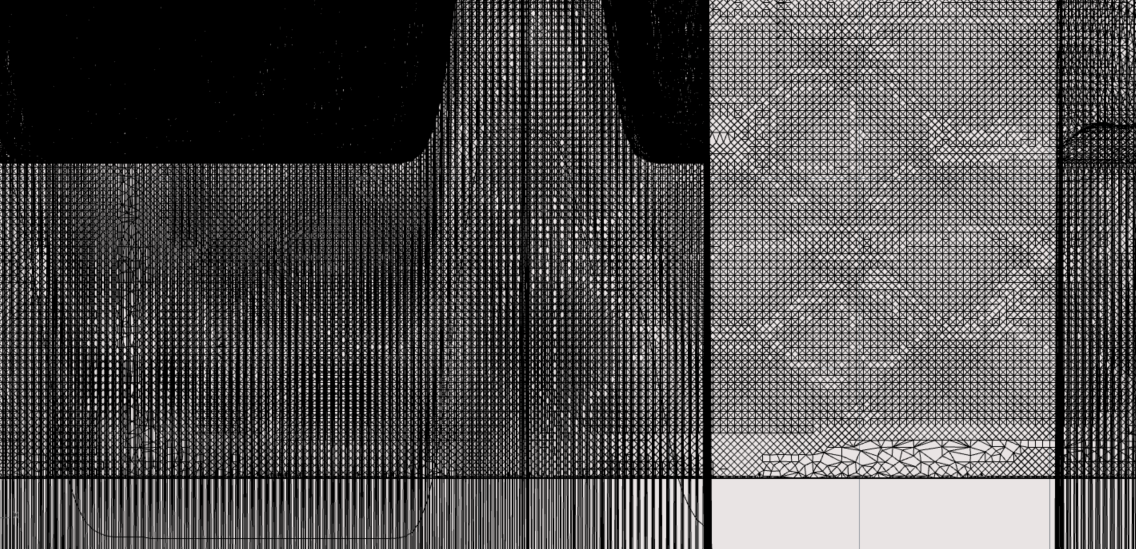
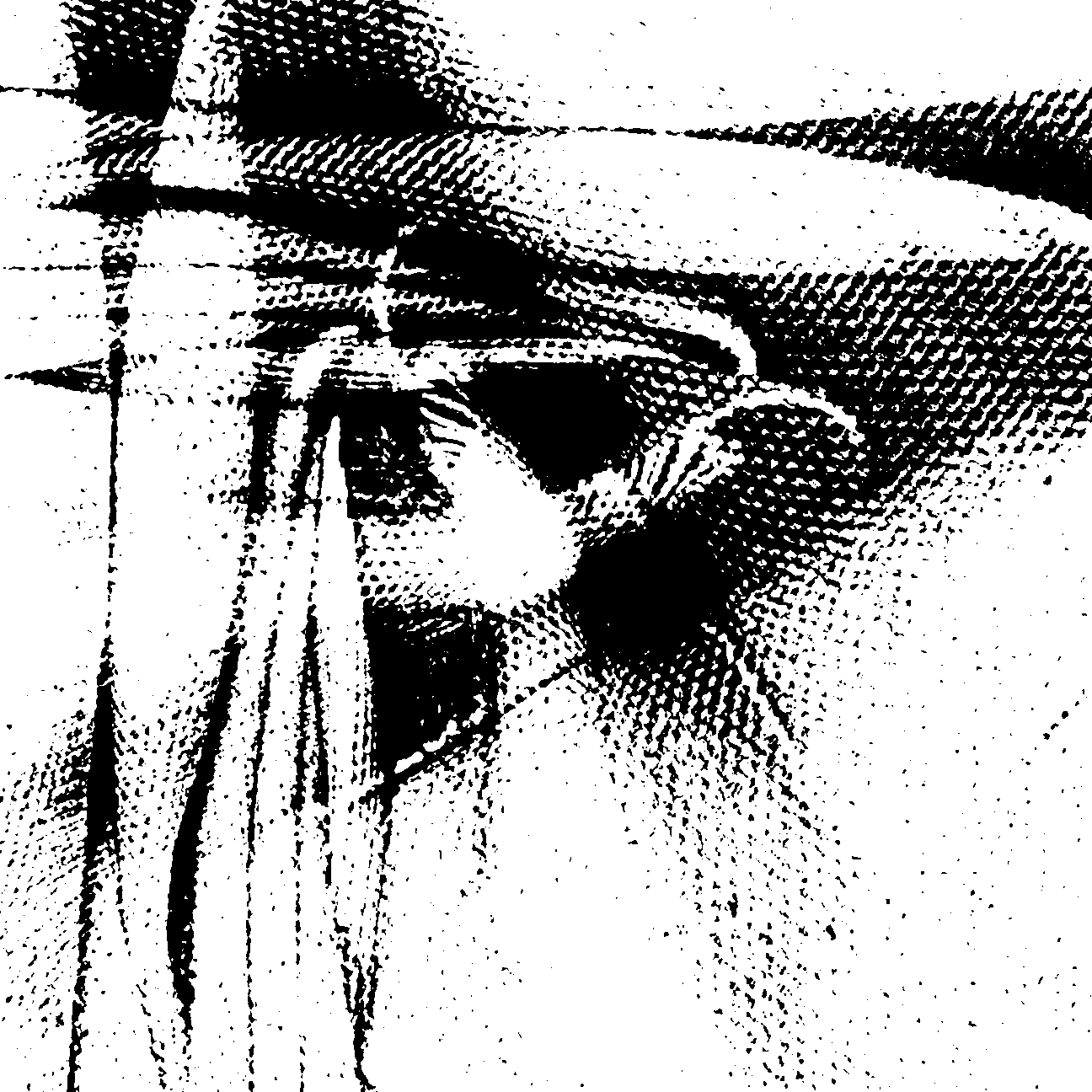
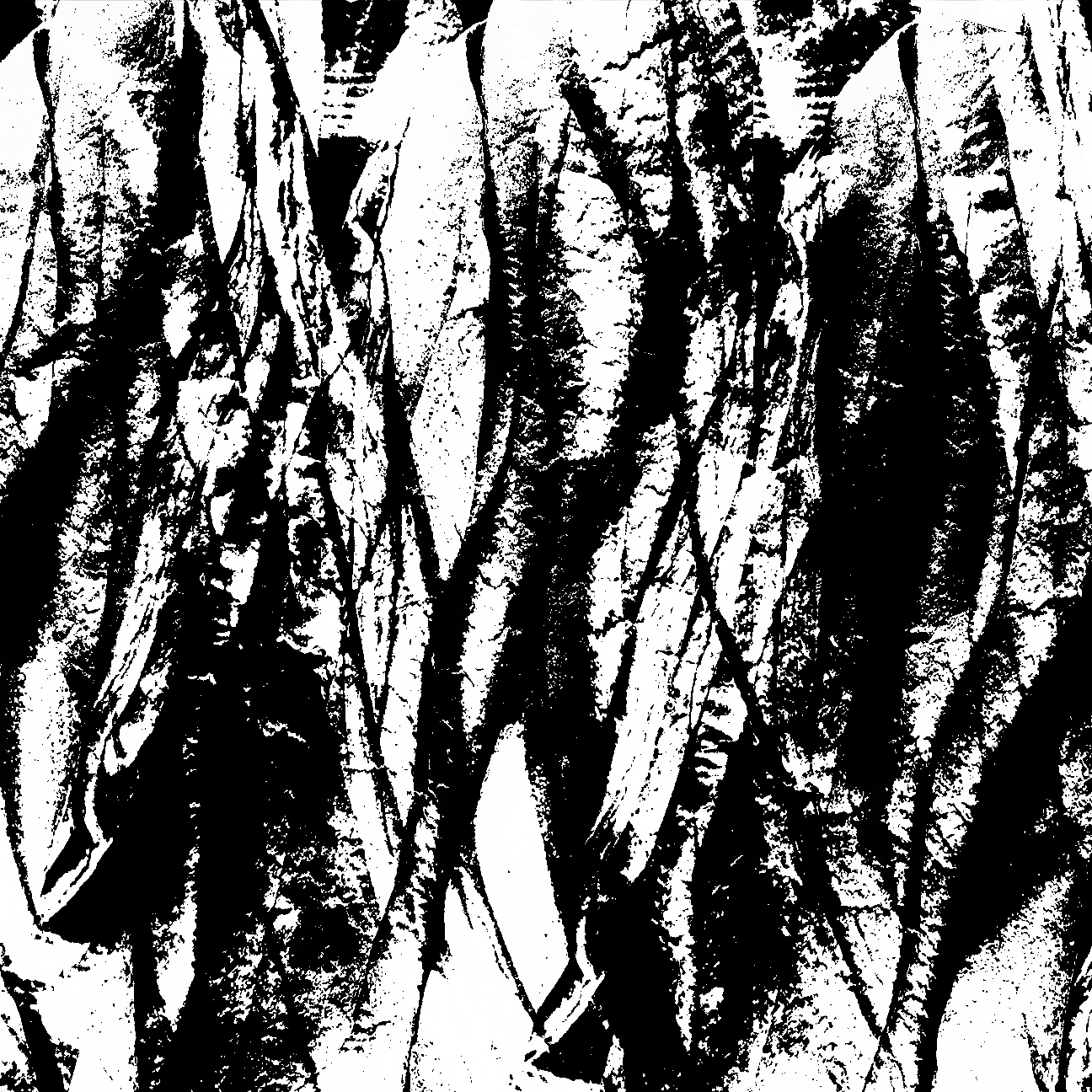
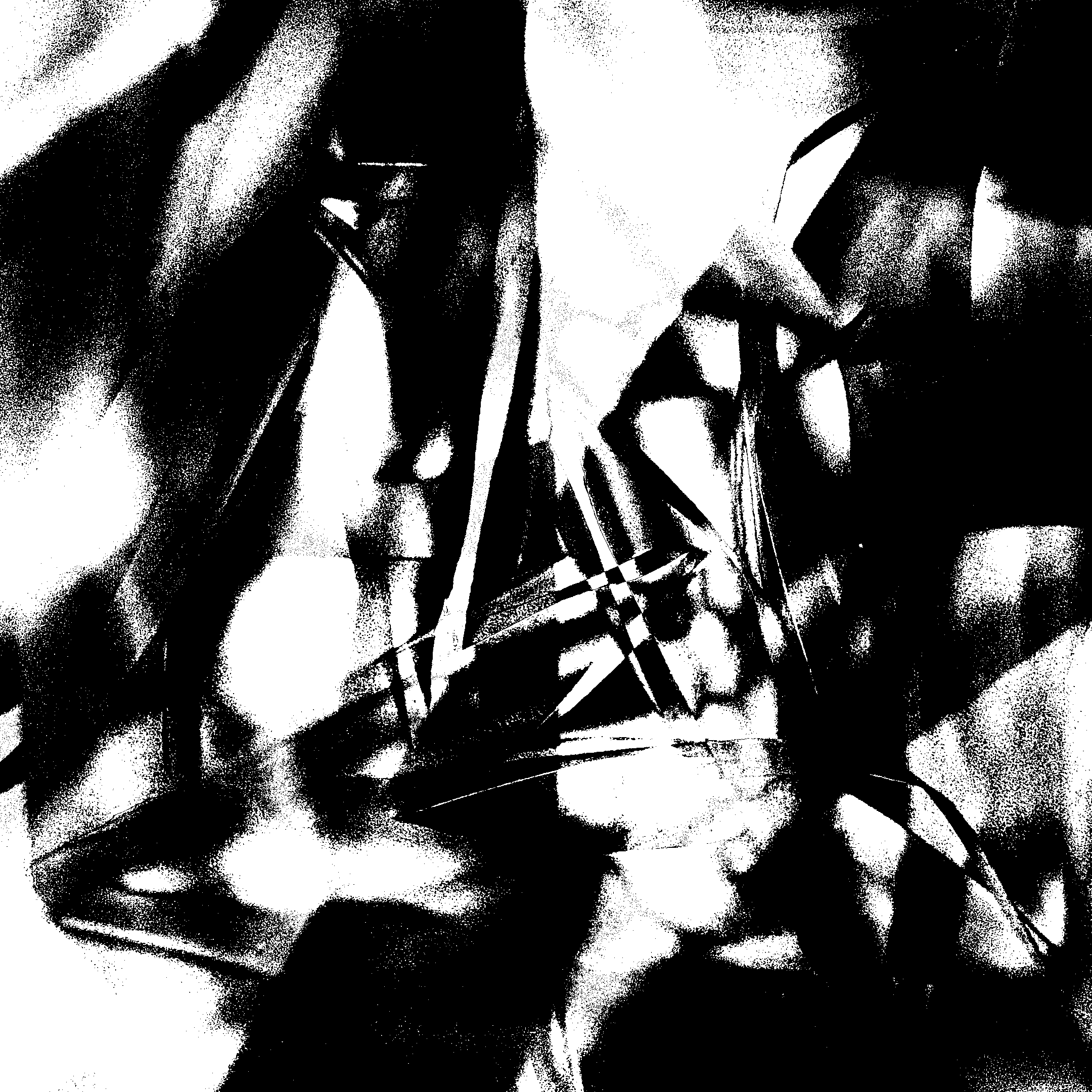
Textures like paper, clay, and canvas have different visual characteristics like density, dullness, and grain. Photos of each material were bashed to generate images that came closer to the ambiguous notion of unverticality in my mind. The sense of tunneling in the paper image, the excess striation of the clay bash, and the stippling of the canvas bash came through in the final worlds.
Sensory Studies
These were the first attempts to put down in images what unverticality could feel like. The studies try to separate each sense into a separate world and try to see how the spatial design can contradict the body’s senses for orientation. This line of world building was put aside. but the research and the feeling evoked by the images, independent of their intent for the sensory studies, came back in to influence the iterations of the final three worlds.
Final Method: Elements of Space Studies
This new set of studies was created to analyze the method of vertical space creation, and what it could look like if we try to use the elements without the inbuilt verticality bias. I found that hand sketching gave the elements the plasticity needed to think of unverticality. Starting in digital space would embed the inherent structure of a programming base grid and vertical orientation. The three elements that were built upon were the three most primitive forms for spacemaking: vertical line, diagonal line, and grid.